
Are you a fan of sweet, creamy desserts that taste as good as they look? If so, you’ve likely heard of the iconic Russian cheesecake, known locally as “Tvorozhnyk” or “Syrnyk.” This delightful treat has been a staple in Russian households for generations, loved for its rich, tender texture and mildly sweet flavor. But what truly sets Russian cheesecake apart from other varieties? Let’s dive deep into its history, ingredients, preparation tips, and the little details that make it special.
In this comprehensive guide, I’ll walk you through everything you need to know to craft an authentic Russian cheesecake that will wow your taste buds and impress your friends. Whether you’re a beginner or an experienced baker, I’ve covered all bases to ensure your baking experience is both smooth and successful.
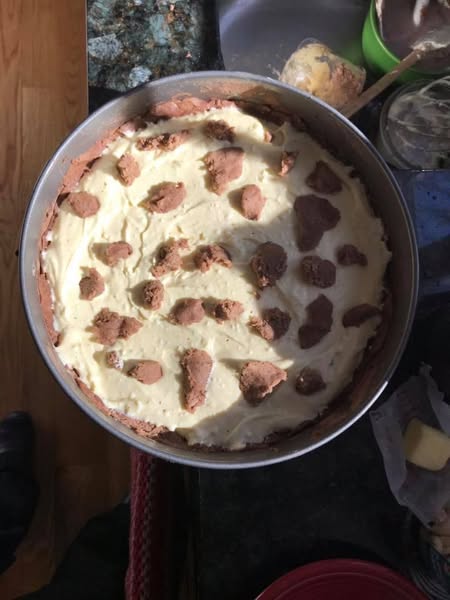
What Is Russian Cheesecake? A Delicious Overview
Russian cheesecake is a soft, moist dairy-based dessert that often features a combination of farmers’ cheese (tvorozhka), eggs, sugar, and flour. Unlike American-style cheesecakes, which lean heavily on cream cheese and often have a dense crumbly crust, Russian cheesecakes are lighter, fluffier, and more custard-like. The texture resembles a delicate souffle with a slightly tangy flavor from the cheese, making it a wonderful treat for breakfast, tea time, or dessert.
Key Characteristics of Russian Cheesecake:
- Texture: Light, airy, and moist with a tender crumb
- Flavor: Mild sweetness with a subtle tang from the cheese
- Appearance: Usually plain or garnished with fruit, jam, or a dusting of powdered sugar
- Serving Temperature: Best enjoyed slightly cooled or at room temperature

The Heart of the Matter: Ingredients and Materials Needed
To make an authentic Russian cheesecake, you need to gather the right ingredients and tools. Below, I’ve prepared a detailed Materials Needed section with data-rich tables so you can ensure nothing is left out.
Materials Needed for Russian Cheesecake
| Ingredient | Quantity | Notes |
|---|---|---|
| Tvorozhka (Farmers’ Cheese) | 500 grams | Ideally soft, slightly acidic cheese, or |
| homemade tvorozhka | ||
| Eggs | 3 large | Fresh, room temperature |
| Sugar | 150 grams | Adjust according to sweetness preference |
| Flour | 50 grams | Can substitute with semolina for a different texture |
| Baking powder | 1 teaspoon | Optional, for a slight lift |
| Vanilla extract | 1 teaspoon | For added flavor |
| Lemon zest | 1 teaspoon | Optional, adds brightness |

Tools & Equipment:
- Mixing bowls
- Electric mixer or whisk
- Silicon spatula
- Baking pan (preferably 20×20 cm or 8×8 inches)
- Parchment paper
- Oven
Step-by-Step: How to Make Russian Cheesecake
Let’s walk through the process with clear, simple steps. Remember, patience and precision are key.
Step 1: Prepare Your Ingredients
- Ensure all ingredients are at room temperature.
- Crumble the tvorozhka into a bowl for easier mixing.
- Line your baking pan with parchment paper to prevent sticking.
Step 2: Mix the Dairy Base
- Beat the tvorozhka with a mixer until smooth and creamy.
- Gradually add eggs, one at a time, blending thoroughly after each addition.
- Mix in sugar, vanilla extract, and lemon zest until well combined.
Step 3: Incorporate Dry Ingredients
- Gently fold in the flour and baking powder until just mixed.
- Avoid overmixing to keep the batter light and airy.
Step 4: Bake to Perfection
- Pour batter into the prepared pan.
- Smooth the surface with a spatula.
- Bake in a preheated oven at 180°C (356°F) for about 40-45 minutes or until golden on top.
- Insert a toothpick into the center; if it comes out clean, your cheesecake is ready.
Step 5: Cooling & Serving
- Allow the cheesecake to cool in the pan for 15 minutes.
- Transfer to a wire rack or serve directly from the pan.
- Optionally, dust with powdered sugar, or top with fresh berries or jam.

Tips for Success in Making Russian Cheesecake
- Use Fresh Tvorozhka: If unavailable, you can make your own by blending farmer’s cheese with a tiny splash of milk.
- Achieve the Perfect Texture: Do not overmix after adding flour; a gentle folding preserves airiness.
- Bake Until Just Gone Gold: Overbaking can make the cake dry. Keep an eye on it near the 40-minute mark.
- Use Quality Ingredients: Good-quality cheese and vanilla make a noticeable difference.
- Experiment with Toppings: Fresh berries, fruit preserves, or a drizzle of honey enhance flavor and presentation.
Common Mistakes & How to Avoid Them
| Mistake | How to Fix It |
|---|---|
| Overmixing batter | Fold ingredients gently after adding flour to keep the cake light |
| Baking at wrong temperature | Always preheat your oven; use an oven thermometer if possible |
| Using sour or spoiled tvorozhka | Always check the freshness; sour cheese can ruin texture |
| Overbaking | Check for doneness at 40 minutes; it should be slightly jiggly in the center when done |
Variations of Russian Cheesecake You Can Try
- Fruit-Injected Tvorozhnyk: Add chopped fresh fruits like berries, apples, or peaches into the batter before baking.
- Chocolate-Infused Version: Incorporate cocoa powder or melted dark chocolate into the batter.
- Savory Twist: Use the base to create a savory cheesecake with herbs, smoked salmon, or sauteed vegetables—perfect for brunch.
- Dairy-Free Alternative: Substitute tvorozhka with blended silken tofu or coconut-based cheese.
Final Thoughts & Next Steps
Russian cheesecake stands out as a versatile, wholesome dessert that’s both simple to prepare and full of flavor. Its light, airy texture combined with the subtle tang of tvorozhka makes it a crowd-pleaser across ages. The best part? It pairs wonderfully with various toppings and accompaniments, allowing you to customize according to what’s in your pantry.
Now that you have a complete recipe, tips, and tricks, it’s time to get baking. Pour your love into creating this traditional Russian treat, and I guarantee you’ll enjoy every bite. Don’t forget to share your results or try new variations—happy baking!
In the world of cakes, Russian cheesecake offers a unique balance of simplicity and sophistication. With a few quality ingredients and a bit of patience, you’ll master this classic dessert and maybe even make it a family favorite for years to come.