

Hey friends! Today, we’re diving into one of the most festive and delicious treats out there: King Cake. Whether you’re celebrating Mardi Gras or just love trying sweet, colorful baked goods, this guide will walk you through everything you need to know — from its rich history, essential ingredients, to secret tips for making it perfect every time. So, grab your apron; let’s get baking!
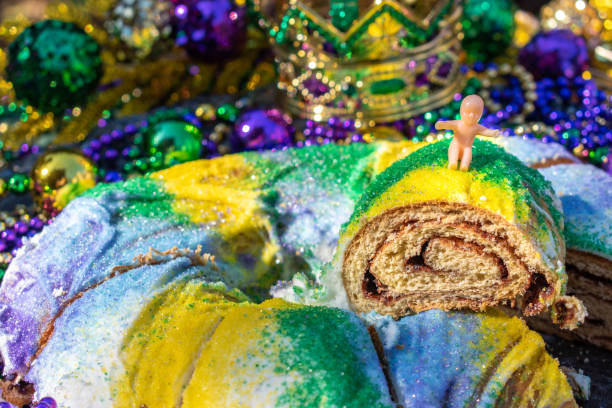
What is King Cake? A Celebration of Flavor and Tradition
King Cake isn’t just your average cake — it’s a symbol of celebration, community, and tradition. Originating from European customs, it found its home in New Orleans and several other regions during Mardi Gras season. It’s a vibrant cake topped with colorful icing and sugar, often hiding a tiny surprise inside. Let’s break down what makes King Cake unique.
Definition List: Key Terms
| Term | Definition |
|---|---|
| King Cake | A festive cake traditionally eaten during Mardi Gras, decorated with purple, green, and gold sugar, often containing a small figurine or baby inside. |
| Mardi Gras | French for “Fat Tuesday”, a carnival celebration before Lent, marked by parades, parties, and feasting. |
| Galette des Rois | A French king cake-like pastry that inspired the modern King Cake tradition. |
| Tassel or Baby Figurine | A small ornament hidden inside the cake symbolizing good luck or prosperity. |
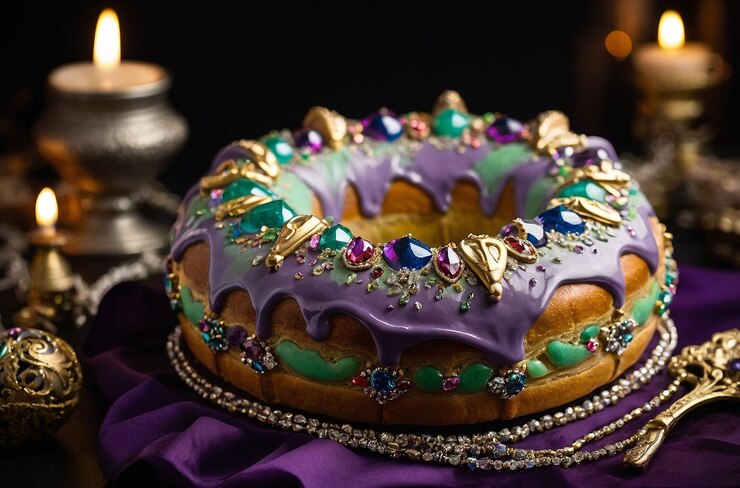
The Origins and Cultural Significance of King Cake
King Cake has a deep-rooted history spanning centuries. It traces back to European festivities honoring the Three Wise Men, also called the Magi, who visited baby Jesus. The cake’s colors — purple, green, and gold — have specific meanings: justice, faith, and power.
In New Orleans, King Cake became a Mardi Gras staple, symbolizing the arrival of the three kings, welcoming spring, and fostering community spirit. The tradition involves hiding a tiny plastic baby inside the cake — whoever finds it owes a party or provides the next cake!
Materials Needed for Perfect King Cake
Here’s a detailed table to keep your pantry organized before your baking adventure begins:
| Ingredient Category | Items Needed | Quantity | Notes |
|---|---|---|---|
| Flour | All-purpose flour | 4 cups | For the dough |
| Yeast | Active dry yeast | 2 1/4 teaspoons | Freshness is key |
| Sugar | Granulated sugar | 1 cup | For dough and filling |
| Butter | Unsalted, softened | 1/2 cup | Adds richness |
| Eggs | Large eggs | 3 | For dough structure |
| Milk | Whole milk | 1 cup | Slightly warmed |
| Spices | Cinnamon | 2 teaspoons | For flavor depth |
| Food Coloring | Purple, green, gold | As needed | For decorating |
| Icing | Powdered sugar | 2 cups | For topping |
| Extracts | Vanilla or almond | 1 teaspoon | Flavor enhancement |
| Filling Options | Cream cheese, praline, fruit jam | Varies | Optional but recommended |
| Decorations | Colored sugars, sprinkles | As desired | To mimic traditional look |
| Small Toy/Plastic Baby | 1 | Hidden inside |
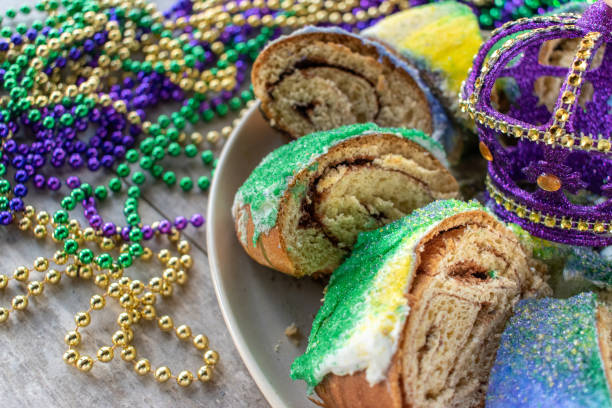
Step-by-Step Guide to Baking a Classic King Cake
1. Prepare the Dough
- Activate the Yeast: Warm milk (not hot!) and dissolve yeast in it with a teaspoon of sugar. Let sit until bubbly (about 5-10 minutes).
- Mix Ingredients: In a large bowl, combine flour, sugar, spices, and softened butter. Add eggs, milk mixture, and vanilla. Mix until a soft dough forms.
- Knead and Rise: Knead dough on a floured surface for about 8-10 minutes. Place in a greased bowl, cover, and let rise until doubled (about 1-2 hours).
2. Make the Filling
- Choose your favorite filling like cream cheese, fruit preserves, or praline paste.
- Prepare and set aside.
3. Shape the Cake
- Punch down the dough and roll into a large rectangle.
- Spread your filling evenly over the dough.
- Roll up tightly into a log and form into a ring or oval shape.
- Place on a parchment-lined baking sheet, pinching the ends to seal.
4. Add the Surprise and Proof Again
- Carefully hide the plastic baby or figurine inside.
- Cover and let rise for another 1 hour.
5. Bake
- Preheat oven to 375°F (190°C).
- Bake for 25-30 minutes or until golden brown.
- Cool on a wire rack.
6. Decorate
- Mix powdered sugar with a little milk or lemon juice to make icing.
- Divide icing and tint with food coloring: purple, green, and gold.
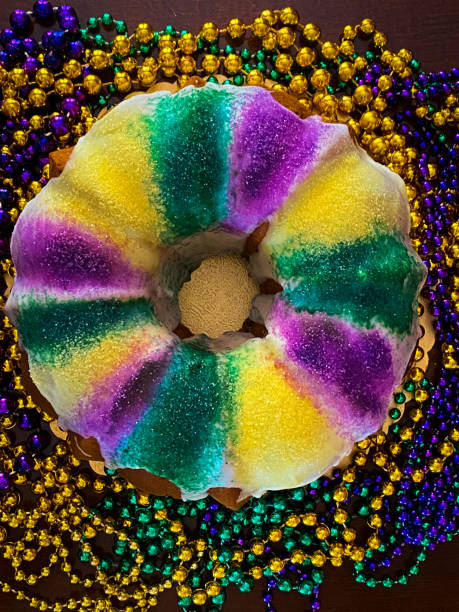
- Drizzle over the cake, then sprinkle with colored sugars or sprinkles to mimic Mardi Gras colors.
Tips for Success
- Use fresh yeast and let it activate properly for fluffy dough.
- Don’t overfill the cake; too much filling may leak during baking.
- For a glossy finish, brush the baked cake with a simple syrup before icing.
- Be sure to hide the plastic baby carefully to avoid accident during slicing.
- Chill the cake before decorating for cleaner icing application.
Common Mistakes and How to Avoid Them
| Mistake | How to Fix |
|---|---|
| Under-activating the yeast | Use warm (not hot) milk and check yeast freshness. |
| Overfilling the cake | Use a moderate amount of filling to prevent leaks. |
| Baking at the wrong temperature | Always preheat your oven! Use an oven thermometer for accuracy. |
| Not sealing the edges | Pinch seams well to prevent filling or toppings from spilling out. |
| Forgetting to hide the baby | Double-check before baking! |
Variations You Can Try
- Chocolate King Cake: Add cocoa powder to the dough or use chocolate spread inside.
- Fruit-Filled Version: Incorporate dried fruits or jam.
- Gluten-Free King Cake: Swap regular flour for a gluten-free mix.
- Vegan King Cake: Use plant-based butter, milk, and egg substitutes.
- Miniature King Cakes: Make individual-sized cakes for parties.
Summary and Action Points
King Cake isn’t just a dessert — it’s a fun, flavorful tradition. Whether you want to impress friends at a party or enjoy a homemade treat during Mardi Gras, this comprehensive guide provides everything you need. Remember, patience and attention to detail are key!
Now, next time you’re craving a festive, colorful cake with a dash of history, give this recipe a try. Get creative with fillings and decorations, and most importantly, have fun baking! Your perfect King Cake awaits.
Thanks for reading! If you loved this guide, why not share it with fellow bakers or keep a printed copy handy for your next celebration? Happy baking, friends!


