
Have you ever tasted a slice of Doberge cake and wondered what makes it so irresistibly rich and moist? If you’re a dessert lover or a baking enthusiast, you’re in for a treat. Doberge cake is a beloved New Orleans specialty that’s known for its multi-layered design, luscious fillings, and smooth buttercream frosting. But there’s more to this cake than meets the eye! Today, I’ll take you through everything you need to know to master this iconic dessert— including its history, detailed recipes, and tips for success. Let’s dive in!

What Is Doberge Cake? An Introduction
Doberge cake is a layered sponge cake from New Orleans, inspired by the Hungarian Dobos torte. Its signature features include multiple thin cake layers, rich fillings, and a buttercream finish. Traditionally, it’s served during celebrations and special occasions, cherished for its moist texture and luxurious flavor profile.
While some treat it as a simple layered cake, true Doberge requires precise technique and attention to detail to achieve the perfect moisture and fluffiness. It’s a cake that delights both newcomers and seasoned bakers alike.

The Origins of Doberge Cake
The story behind Doberge cake dates back to the early 20th century, rooted in Hungarian and French culinary influences brought to New Orleans through immigrant communities. The name “Doberge” comes from the Hungarian “Dobos,” a cake with thin layers and caramel topping, adapted over time into the layered, buttercream-frosted version we savor today. It’s become a culinary hallmark of New Orleans, often associated with bakeries like LeVasseur’s and Galatoire’s.
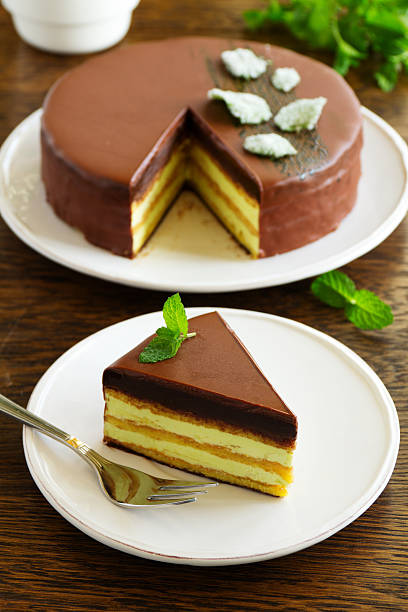
The Anatomy of a Perfect Doberge Cake
Before jumping into recipes, let’s understand what makes a Doberge cake exceptional:
Layers & Fillings
- Thin sponge cake layers, usually around 1/8 inch each
- Rich, flavored fillings such as custards, fruit preserves, or chocolate ganache
Frosting & Decoration
- Smooth, creamy buttercream (traditionally French buttercream or cooked icing)
- Often topped with fondant, marzipan, or decorated with piped embellishments
Serving & Storage Tips
- Best enjoyed after chilling, allowing flavors to meld
- Store covered in the refrigerator for up to 3 days or freeze for longer storage
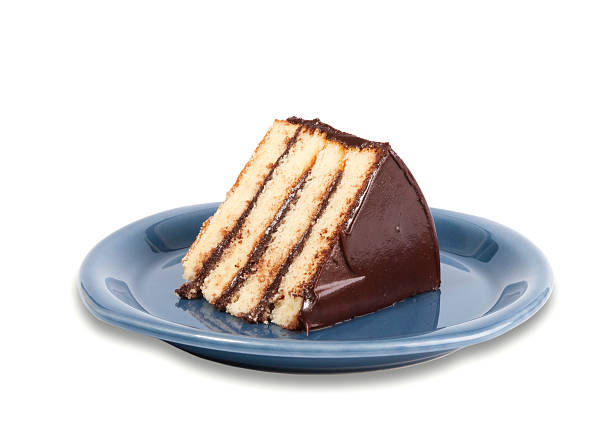
Key Ingredients and Materials Needed
Let’s make sure you have everything ready with this detailed Materials Needed table, which includes all supplies and ingredients:
| Item | Quantity / Specification | Notes |
|---|---|---|
| Cake Flour | 2 cups (240 g) | Sifted for a tender sponge |
| Granulated Sugar | 1 ½ cups (300 g) | For cake batter and filling |
| Eggs | 4 large | Room temperature |
| Unsalted Butter | ½ cup (113 g), melted | For batter and buttercream |
| Whole Milk | 1 cup (240 ml) | For moistened cake layers |
| Vanilla Extract | 2 teaspoons | Pure vanilla for flavor |
| Baking Powder | 1 teaspoon | For cake rise |
| Salt | ¼ teaspoon | Enhances flavor |
| Cornstarch or Arrowroot | 2 tablespoons | Optional, for silky custard fillings |
| Powdered Sugar | 4 cups (480 g) | For buttercream and fillings |
| Heavy Cream | 1 cup (240 ml) | For whipping or making ganache |
| Optional Flavor Extracts | Almond, Coffee, Chocolate (as desired) | To customize fillings and frostings |
Step-by-Step Guide to Baking a Classic Doberge Cake
1. Preparing the Cake Layers
Step 1: Preheat your oven to 350°F (175°C). Grease and line your cake pans with parchment paper.
Step 2: In a large mixing bowl, whisk together the sifted cake flour, baking powder, and salt.
Step 3: In a separate bowl, beat eggs and sugar until light and fluffy—about 5 minutes. Add vanilla extract.
Step 4: Gradually fold in the dry ingredients, alternating with milk, starting and ending with the flour mixture. Gently incorporate melted butter at the end.
Step 5: Divide the batter evenly into prepped cake pans. Bake for 15-20 minutes, or until a toothpick inserted in the center comes out clean.
Step 6: Cool the layers in the pans for 10 minutes, then turn onto wire racks to cool completely.
2. Making the Filling
Traditionally, Doberge uses a variety of fillings. Popular options include:
- Vanilla Pastry Cream: Smooth, rich, and perfect between layers.
- Chocolate Ganache: For a decadent twist.
- Fruit Preserves: Strawberries or apricots add a tart/sweet balance.
Basic Pastry Cream Recipe:
- Heat 2 cups of milk with vanilla extract.
- Whisk together 4 egg yolks and ½ cup sugar, then add 3 tablespoons cornstarch.
- Temper the eggs with hot milk, whisk constantly, and boil until thickened.
- Strain and cool before spreading onto cake layers.
3. Assembling the Cake
Step 1: Slice each cake layer evenly if necessary.
Step 2: Spread your chosen filling between each layer. Repeat until all layers are stacked.
Step 3: Cover the assembled cake with a thin crumb coat, then refrigerate for 30 minutes to set.
Step 4: Apply a smooth layer of French buttercream or cooked icing on the outside for a sleek finish.
4. Decorating & Finishing Touches
- Chill the cake thoroughly before decorating.
- Use piping tips to create decorative borders or rosettes.
- Optionally, cover with fondant for an elegant look.
- Add edible gold or decorative sprinkles for special occasions.
Tips for Baking a Perfect Doberge Cake
- Use room temperature ingredients for smoother mixing.
- Bake layers uniformly by equally dividing batter.
- Don’t overmix; gently fold in ingredients to maintain fluffy texture.
- Chill each component before assembly to prevent sliding or melting.
- Sharp serrated knife helps evenly slice cake layers.
- Refrigerate after decorating to set the buttercream and improve flavor absorption.
Common Mistakes & How to Avoid Them
| Mistake | Solution |
|---|---|
| Overbaking, resulting in dry cake | Bake for the shortest time possible, test with toothpick |
| Thin batter that doesn’t rise properly | Sift dry ingredients thoroughly, don’t overmix |
| Filling spilling out when stacking | Don’t overload with filling; smooth and level layers |
| Using cold butter in buttercream | Use slightly softened butter for easier mixing |
| Not chilling cake before decorating | Chill the cake for a few hours for cleaner decoration |
Variations & Modern Twists on Classic Doberge
Looking to spice up your Doberge cake? Here are some exciting options:
- Chocolate Doberge: Incorporate cocoa powder into the sponge and use chocolate filling.
- Fruit-Infused Doberge: Add fruit purees or jams into the filling; berries, citrus, or stone fruits work well.
- Vegan Doberge: Substitute eggs with flaxseed or applesauce, use plant-based margarine, and ensure fillings are vegan-friendly.
- Mini Doberge: Make small, individual-sized cakes perfect for parties or gifts.
Wrap-Up and Final Tips
Making a Doberge cake from scratch may seem intimidating, but with patience and attention to detail, you’ll master this sweet masterpiece. Remember to prepare your ingredients ahead, follow precise steps for the batter and fillings, and don’t rush the chilling process. The result? A beautifully layered, moist, and flavorful cake that will impress everyone.
Next time you crave a classic New Orleans treat, try baking your own Doberge cake at home—it’s a rewarding experience worth the effort!
Interested in more cake delights? Stay tuned for recipes on other Southern favorites, or explore creative filling ideas to personalize your Doberge.
Happy baking!


