
Ever wondered how to make a simple yet flavorful cookie that elevates your baking game? Look no further! Today, I’ll walk you through everything you need to know about making the perfect rosemary shortbread—an aromatic, buttery treat with a savory twist. Whether you’re a seasoned baker or just starting out, this guide will help you master this delicious cookie with confidence.
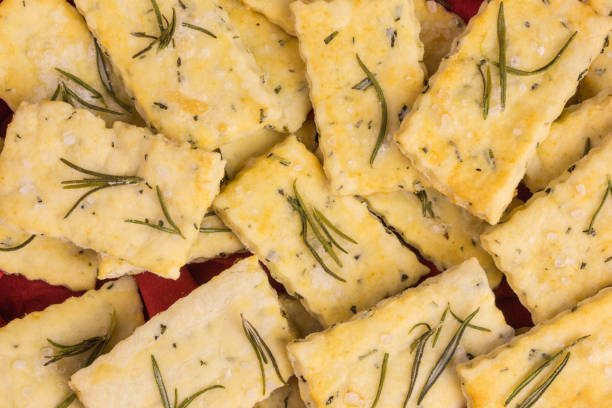
What Is Rosemary Shortbread? A Deliciously Aromatic Treat
Rosemary shortbread is a classic buttery cookie infused with fresh or dried rosemary, giving it a subtle earthy aroma and a hint of herbaceous flavor. Combining the richness of traditional shortbread with the fragrant notes of rosemary creates a unique snack perfect for teatime, holiday gifts, or casual snacking.
Why Rosemary Shortbread?
This cookie strikes the perfect balance between sweet and savory, making it versatile and appealing to a broad audience. Its crisp texture, combined with the aromatic rosemary, provides a sophisticated flavor profile that’s unexpected yet delightful.
Key Ingredients and Their Role
To craft irresistible rosemary shortbread, you’ll need quality ingredients. Here’s a quick overview:
| Ingredient | Purpose | Notes |
|---|---|---|
| Unsalted Butter | Provides richness and tender crumb | Use high-quality, slightly softened butter |
| All-Purpose Flour | Forms the base of the shortbread | Sifted to avoid lumps |
| Sugar | Adds sweetness and helps with texture | I recommend superfine sugar for smoother dough |
| Fresh or Dried Rosemary | Gives the distinctive flavor | Fresh rosemary offers a brighter aroma; dried is more concentrated |
| Salt | Enhances overall flavor | Just a pinch to balance the sweetness and rosemary |
| Vanilla Extract (optional) | Adds depth to flavor | A splash can enhance the aroma |
Materials Needed: Your Baking Arsenal
Having the right tools makes all the difference. Here’s what you’ll need:
| Equipment | Quantity | Purpose |
|---|---|---|
| Mixing Bowl | 1 | Combining ingredients |
| Wooden Spoon or Spatula | 1 | Stirring and mixing |
| Rolling Pin | 1 | Rolling dough evenly |
| Baking Sheet | 1 or more | Baking the cookies |
| Parchment Paper | Enough to lines baking sheets | Prevent sticking |
| Pizza Cutter or Cookie Cutter | 1-2 | Shaping or cutting the dough after chilled |
| Wire Rack | 1 | Cooling the baked cookies |

How to Make Rosemary Shortbread: Step-by-Step
Making rosemary shortbread is straightforward, but attention to detail ensures perfection. Here’s how to do it:
Step 1: Prepare Your Ingredients
- Soften the butter: Keep it at room temperature until it’s soft but not melting.
- Chop your rosemary: Fresh rosemary should be finely chopped to distribute evenly.
Step 2: Mix the Butter and Sugar
- In a mixing bowl, beat the softened butter and sugar with a spatula or mixer until light and fluffy. This can take 2-3 minutes.
Step 3: Incorporate Dry Ingredients and Flavorings
- Add the salt and vanilla extract (if using).
- Gradually stir in the sifted flour.
- Mix in the chopped rosemary until evenly distributed.
Step 4: Form the Dough
- Gather the dough into a ball. If it’s too crumbly, add a teaspoon of cold water.
- Wrap the dough in plastic wrap and refrigerate for at least 30 minutes. Chilling helps prevent spreading during baking and enhances flavor.
Step 5: Roll and Cut
- Preheat the oven to 350°F (175°C).
- On a floured surface, roll out the dough to about 1/4 inch thickness.
- Cut into shapes using cookie cutters or slice into rectangles with a pizza cutter.
Step 6: Bake to Perfection
- Place the cookies on a lined baking sheet.
- Bake for 12-15 minutes or until edges are lightly golden.
- Remove from oven and cool on a wire rack.
Step 7: Serve and Enjoy!
- Once cooled, enjoy these aromatic cookies with tea, coffee, or as part of a gift box.
Tips for Baking Success
- Use fresh rosemary for a vibrant flavor—dried works, but fresh is better.
- Chill your dough thoroughly—it makes rolling easier and cookies thicker.
- Uniform thickness ensures even baking; use a rolling pin ring or measure.
- Watch carefully during baking—shortbread can go from perfect to burnt quickly.
- Store in an airtight container for up to two weeks, or freeze for longer storage.
Common Mistakes and How to Avoid Them
| Mistake | How to Fix It |
|---|---|
| Overmixing the dough | Mix until ingredients are just combined, overmixing can toughen the cookies |
| Not chilling dough enough | Chill for at least 30 minutes; this helps control spreading during baking |
| Baking at too high temperature | Stick to 350°F (175°C); higher temps may burn edges while centers remain soft |
| Ignoring even thickness | Use rolling pin guides or a measuring tape to ensure cookies are uniform |
| Using low-quality butter | Opt for high-quality, unsalted butter for better flavor |
Variations to Try
Rosemary shortbread is a versatile cookie, and a few tweaks can make it even more enjoyable. Here are some ideas:
- Add Lemon Zest: Incorporate 1 teaspoon of lemon zest for a citrusy twist.
- Incorporate Nuts: Add chopped pistachios, almonds, or walnuts for texture.
- Enhance with Parmesan: Mix in 2 tablespoons of grated Parmesan for a savory kick.
- Swap Rosemary for Other Herbs: Try thyme or lavender for different aromatic profiles.
- Chocolate Drizzle: Once cooled, drizzle with dark chocolate for extra indulgence.
Final Thoughts
Making rosemary shortbread is an easy way to impress friends and family with a sophisticated treat. The key lies in using quality ingredients, precise measurements, and gentle handling. Remember these tips and common pitfalls, and soon you’ll be baking cookies that are perfectly crisp, fragrant, and memorable.
So why not give this recipe a try? It’s simple, adaptable, and downright delicious. Happy baking!
Enjoyed this guide? Be sure to experiment with different herbs and flavorings to make your rosemary shortbread uniquely yours. And don’t forget—practice makes perfect, so keep baking and savor every bite!


