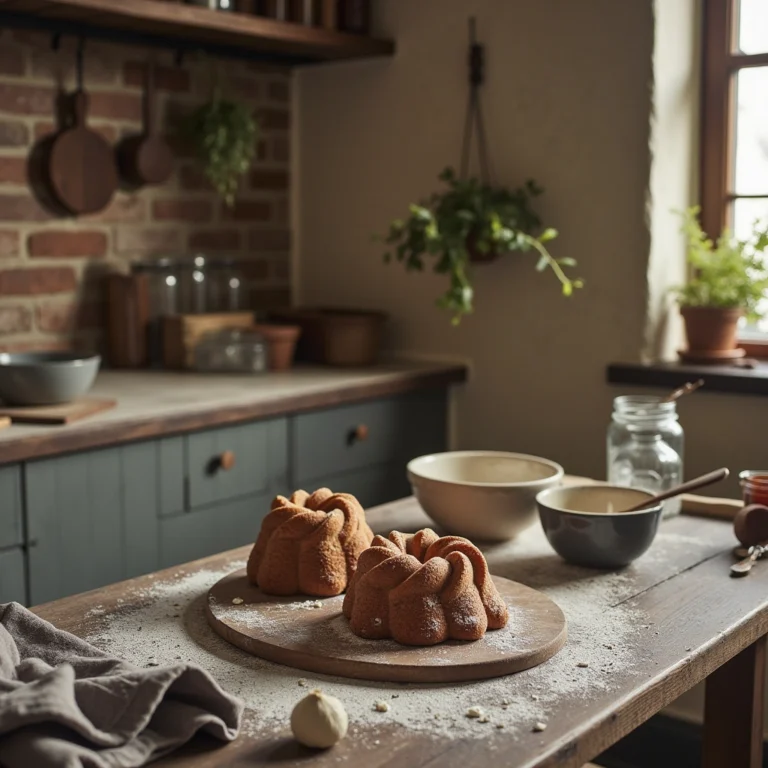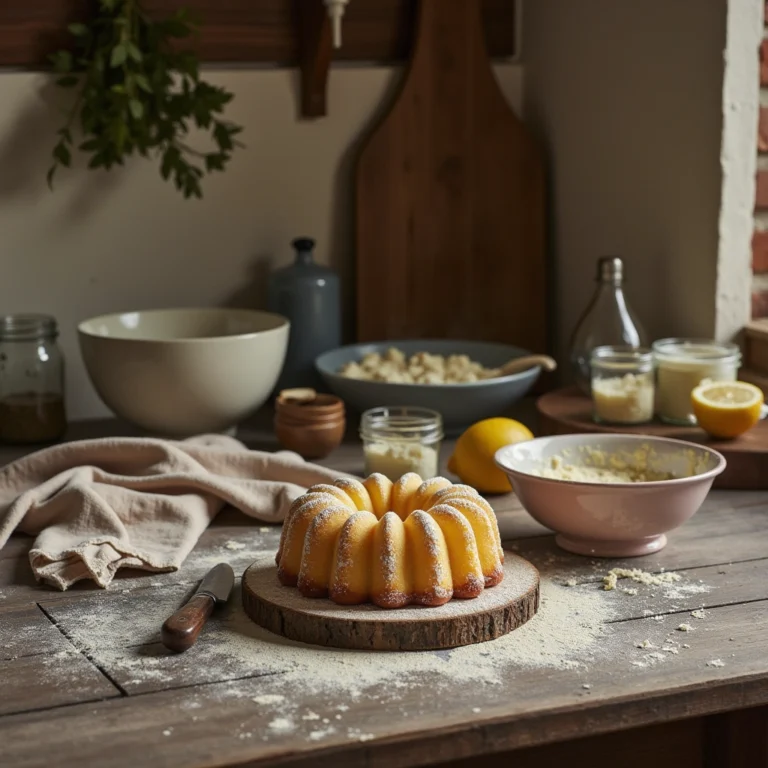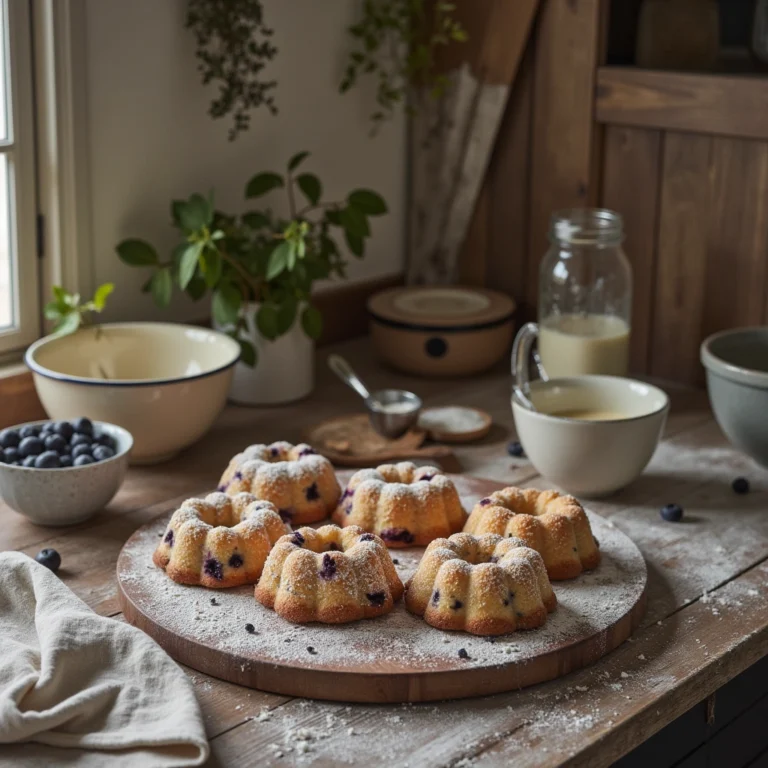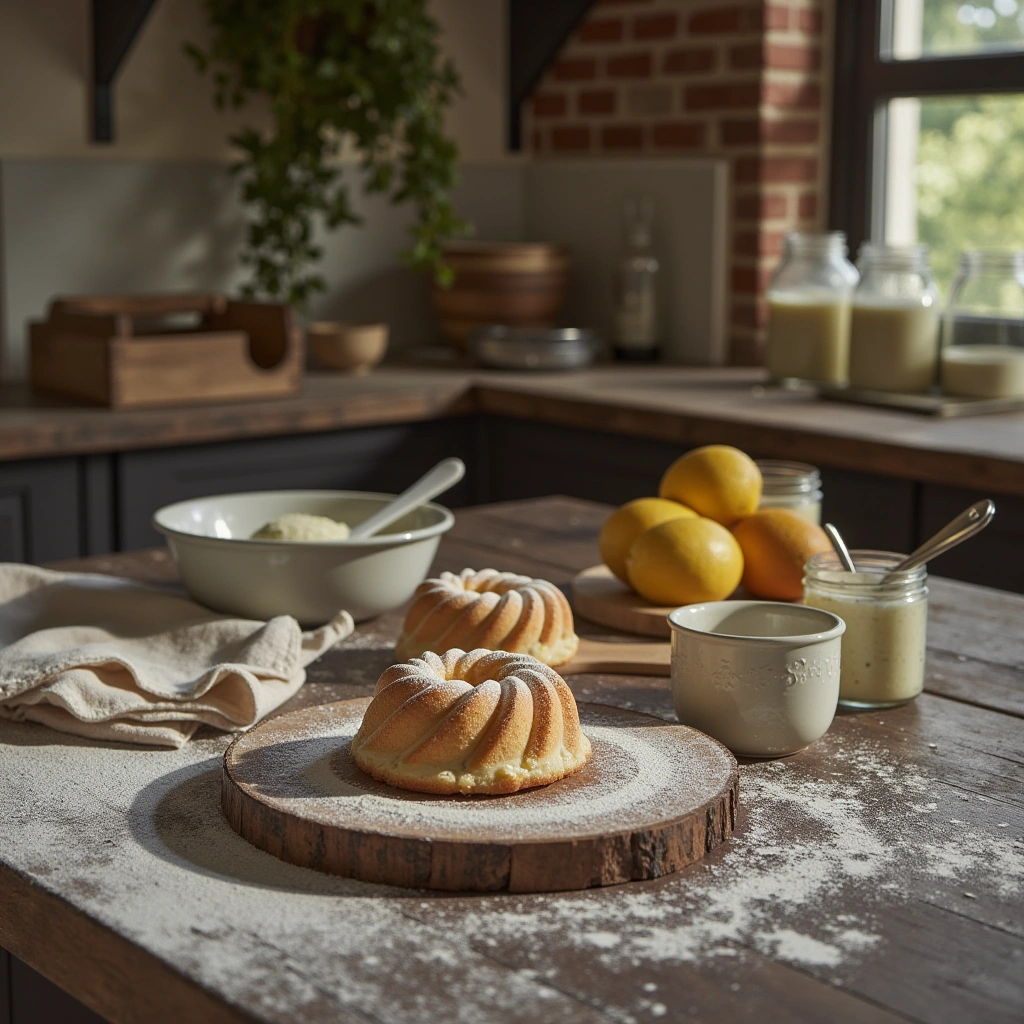
Ever wondered how to make a stunning, flavorful cake that’s perfect for spring gatherings or a special brunch? Today, I’ll walk you through the process of creating a delectable Mini Meyer Lemon Bundt Cake—a bright, citrusy treat that’s as pleasing to the eye as it is to the palate. This cake is not just a dessert; it’s an experience, combining the subtle sweetness of cake with the tangy zest of Meyer lemons, all baked into charming mini bundt molds. Whether you’re an experienced baker or just starting out, this comprehensive guide will give you everything you need to craft this delightful dessert from scratch.
What is a Mini Meyer Lemon Bundt Cake?
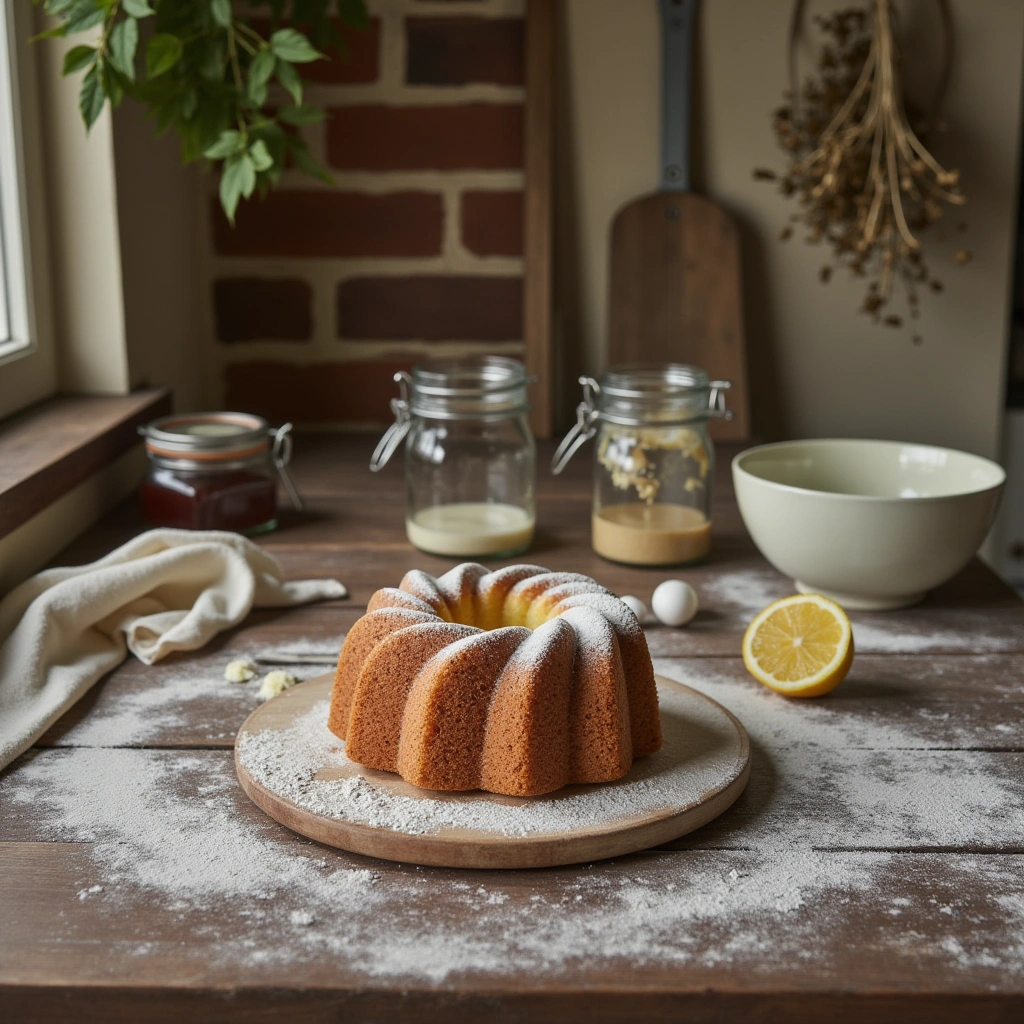
A Mini Meyer Lemon Bundt Cake is a petite-sized cake baked in a mini bundt pan, showcasing a beautiful, fluted design. It features a moist, tender crumb infused with fresh Meyer lemon juice and zest, often topped with a simple glaze or powdered sugar for added elegance. The “mini” aspect makes it perfect for individual servings, ideal for parties, afternoon teas, or gift-giving.
Why Choose Meyer Lemons?
Meyer lemons are a sweeter, less tart variety of lemon, with a thin skin and fragrant aroma. They are a cross between a lemon and a mandarin orange, offering a unique flavor that’s both citrusy and slightly sweet. Their softer acidity makes baked goods more balanced and flavorful.
Materials Needed
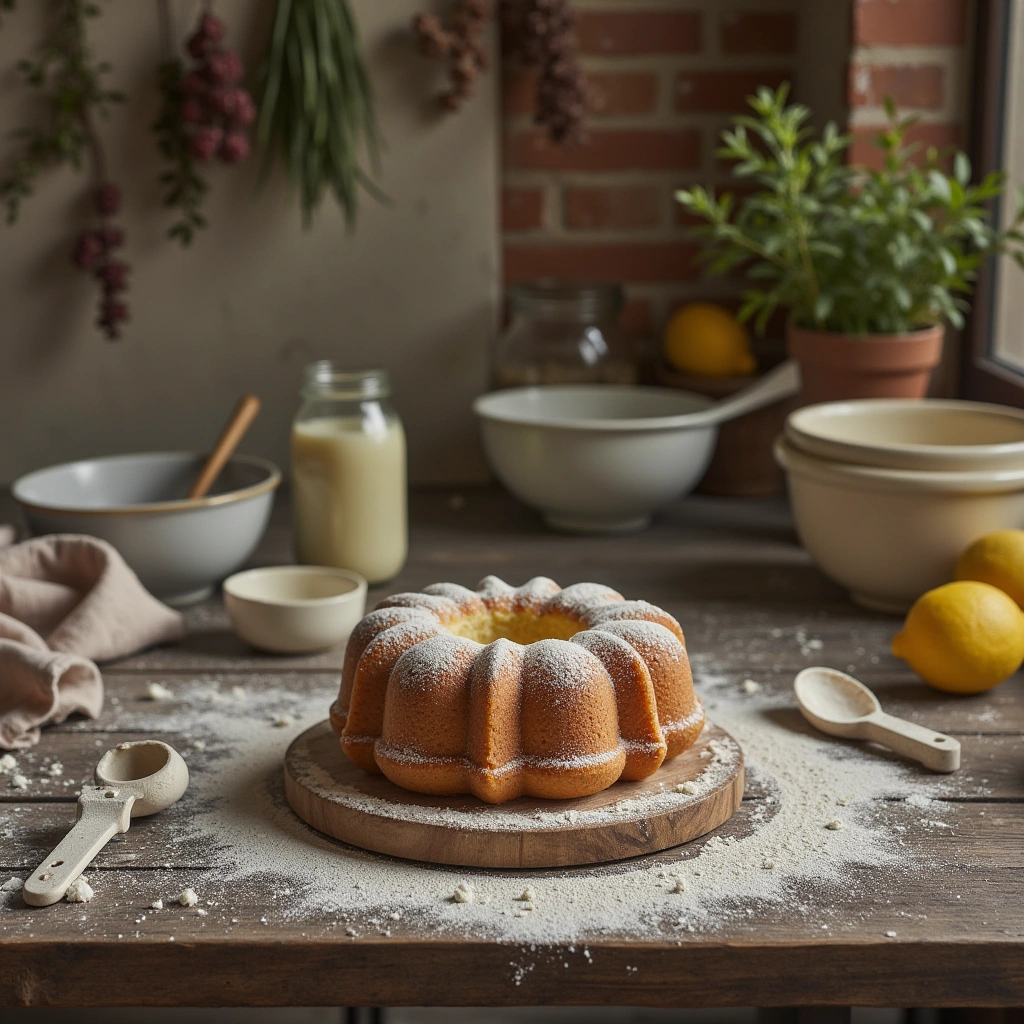
| Item | Quantity/Details | Notes |
|---|---|---|
| Mini Bundt Pan | 4-6 cavities | Non-stick or well-greased for easy release |
| Mixing bowls | 2 large | For batter preparation |
| Whisk or hand mixer | 1 | For mixing ingredients |
| Zester or Microplane | 1 | For zesting Meyer lemons |
| Juice squeezer or reamer | 1 | For extracting fresh lemon juice |
| Measuring cups and spoons | Set | For precise ingredient measurement |
| Fine sieve or sifter | 1 | For dry ingredients or dusting |
| Cooling rack | 1 | To cool the cakes |
| Piping bag or spoon | Optional, for glazing | For decorating or drizzling |
Ingredients
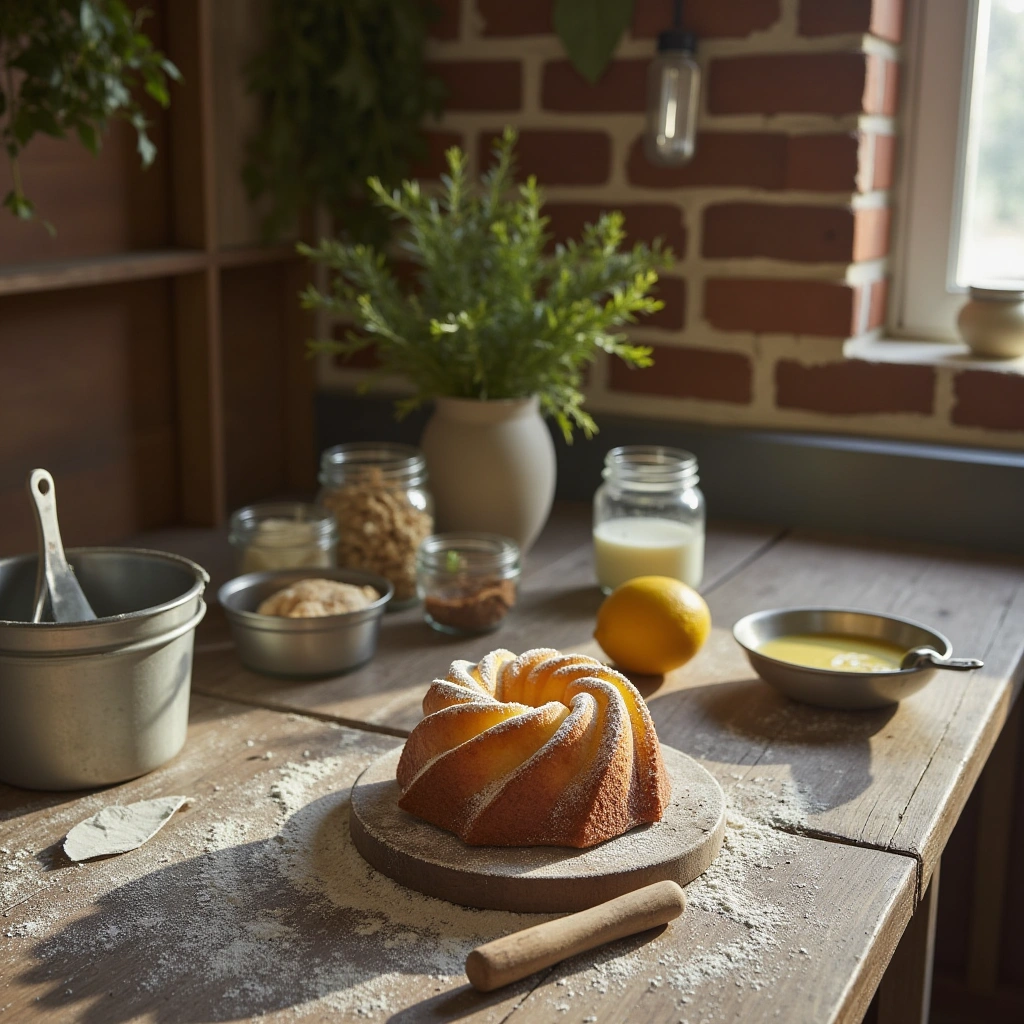
| Ingredient | Quantity | Description/Notes |
|---|---|---|
| All-purpose flour | 1 ½ cups (180 g) | For structure |
| Baking powder | 1 teaspoon | Leavening agent |
| Baking soda | ½ teaspoon | Reacts with acids to leaven |
| Salt | ¼ teaspoon | Enhances flavor |
| Unsalted butter | ½ cup (113 g), softened | Adds richness |
| Granulated sugar | 1 cup (200 g) | Sweetener |
| Eggs | 2 large | Binds ingredients |
| Greek yogurt or sour cream | ½ cup (120 g) | Keeps cake moist |
| Meyer lemon zest | 2 tablespoons | For aromatic flavor |
| Meyer lemon juice | ¼ cup (60 ml) | Adds tang and brightness |
| Vanilla extract | 1 teaspoon | For depth of flavor |
| Powdered sugar (optional) | ½ cup (60 g) | For glaze or dusting |
| Milk or heavy cream (optional) | 1-2 tablespoons | To adjust batter consistency |
Tips for Success
- Use fresh Meyer lemons for the best flavor. Bottled lemon juice lacks the vibrant zest and aroma.
- Grease your mini bundt pan well. Even non-stick pans can benefit from a light coating of butter and flour or baking spray.
- Don’t overmix the batter. Mix until just combined to keep the cake tender.
- Test for doneness at the minimum baking time. Insert a toothpick into the center; if it comes out clean, your cake is ready.
- Allow the cakes to cool in the pan for about 10 minutes before transferring to a cooling rack to prevent breakage.
- Add a simple glaze made with powdered sugar and lemon juice for a beautiful finish.
Step-by-Step Making Process
1. Prepare Your Equipment and Ingredients
- Preheat your oven to 350°F (175°C).
- Lightly grease your mini bundt pan and dust with flour or use a non-stick spray.
- Gather all ingredients and measure them precisely.
2. Mix Dry Ingredients
- In a medium bowl, whisk together flour, baking powder, baking soda, and salt. Set aside.
3. Cream Butter and Sugar
- In a large bowl, beat the softened butter and sugar until light and fluffy—about 2-3 minutes.
- Use a hand mixer or whisk for this step.
4. Incorporate Eggs and Flavorings
- Add eggs, one at a time, beating well after each addition.
- Mix in vanilla extract, lemon zest, and lemon juice.
- Scrape down sides of the bowl as necessary.
5. Alternate Adding Dry and Wet Ingredients
- Gradually add the dry mixture in three parts, alternating with Greek yogurt or sour cream.
- Mix gently until just combined—avoid overmixing to keep the batter light.
6. Fill the Mini Bundt Pans
- Use a spoon or piping bag to evenly distribute batter into each cavity.
- Fill about ⅔ full to allow room for rising.
7. Bake
- Place the pan on the middle rack and bake for 20-25 minutes.
- Check doneness with a toothpick—insert into the center; if it comes out clean, the cakes are ready.
8. Cool and Decorate
- Let the cakes cool in the pans for about 10 minutes.
- Carefully turn out onto a wire rack to cool completely.
- Optional: drizzle with lemon glaze or dust with powdered sugar.
9. Serve
- Serve these mini lemon bundt cakes warm or at room temperature.
- Pair with tea, coffee, or fresh berries for an elegant presentation.
Common Mistakes and How to Avoid Them
| Mistake | Solution |
|---|---|
| Overmixing batter | Mix until just combined; overmixing can make the cake dense |
| Not greasing the pans | Properly grease and flour the pans to prevent sticking |
| Baking at incorrect temperature | Use an oven thermometer to ensure accurate baking temperature |
| Overfilling the pans | Fill only ⅔ full to prevent overflowing during baking |
| Forgetting to check doneness | Use a toothpick or cake tester; ovens vary, so test early |
Variations You Can Try
- Lemon Poppy Seed Mini Bundt Cakes: Add 1 tablespoon of poppy seeds to the batter for extra texture.
- Lemon Blueberry Mini Bundt Cakes: Fold in fresh blueberries before baking.
- Gluten-Free Version: Substitute all-purpose flour with almond or gluten-free flour.
- Vegan Version: Use flax eggs and plant-based yogurt and butter.
- Lemon-Lavender Flavor: Incorporate culinary lavender in the batter for a floral twist.
Summing It Up
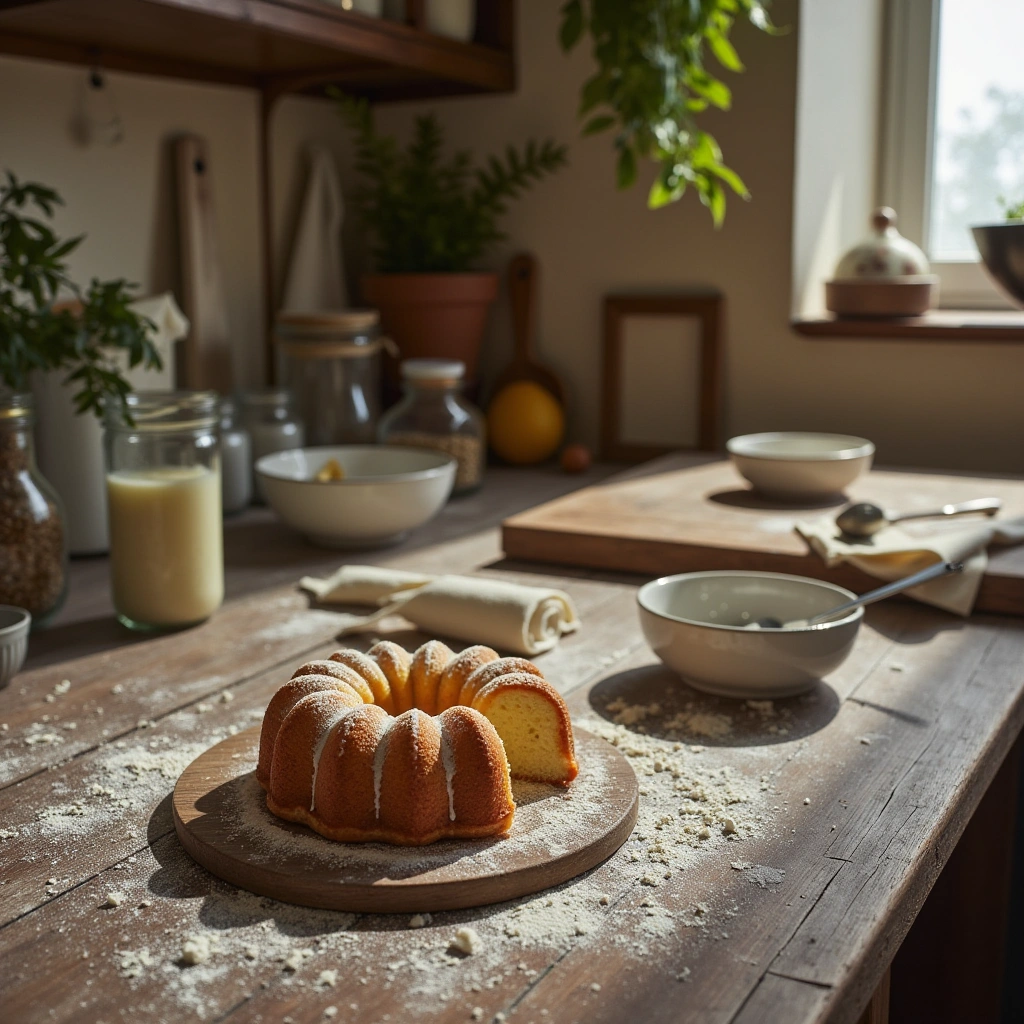
Making a Mini Meyer Lemon Bundt Cake is a delightful way to enjoy the fresh, citrusy flavors of Meyer lemons in a charming, individual-sized dessert. With attention to detail—like proper greasing, accurate measuring, and gentle mixing—you’ll create a beautifully moist, flavorful cake that impresses every time. Whether for a special occasion or a simple treat, this mini cake recipe is flexible and easy to adapt with your favorite variations.
So go ahead—bake some sunshine with this vibrant mini lemon bundt cake, and enjoy the sweet, tangy aroma filling your home!