
Ever wondered what makes Italian Panettone a favorite treat during the holidays? This tall, fluffy bread filled with dried fruits and subtle flavors has captured hearts worldwide. But beyond its delicious taste and charming appearance, there’s a fascinating history and a precise way to craft it at home. If you’re eager to learn everything about Panettone — from its origins to baking tips — you’re in the right place!
Today, I’ll walk you through an in-depth look at Italian Panettone, uncovering essential details, sharing expert tips, and helping you master this Italian classic. Whether you’re a baking novice or a seasoned pro, I promise you’ll find valuable insights to elevate your homemade Panettone game. So, let’s dive in!
What Is Italian Panettone?
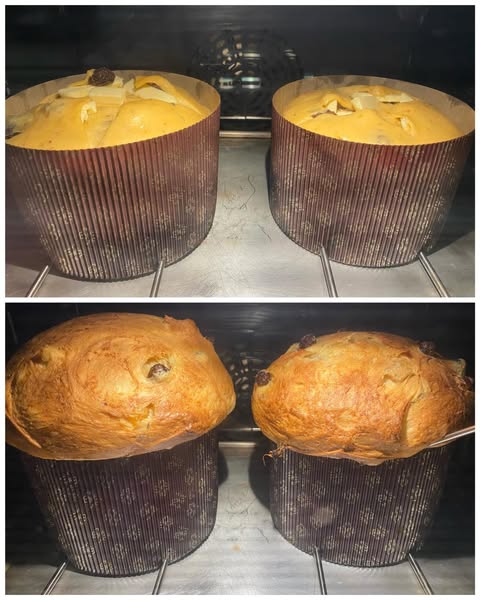
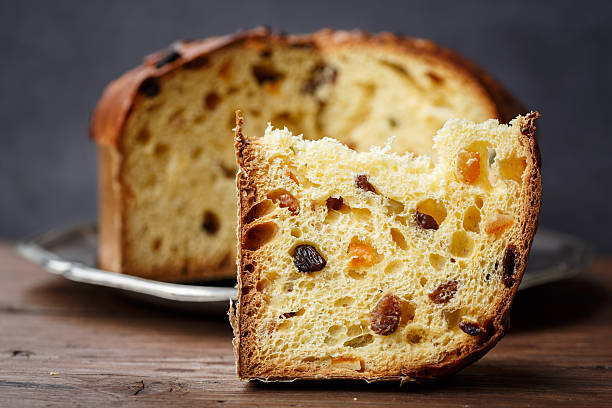
Italian Panettone is a traditional sweet bread loaf originating from Milan, Italy. Recognized by its tall, domed shape, it’s typically filled with candied citrus peel, raisins, and sometimes chocolates or other dried fruits. Its fluffy crumb and rich aroma make it a festive favorite, especially during Christmas and New Year.
Key Features of Panettone:
- Flavor Profile: Sweet, mildly citrusy, with a buttery richness.
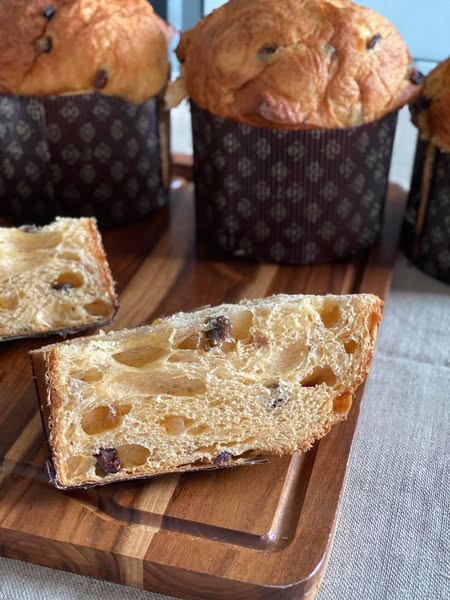
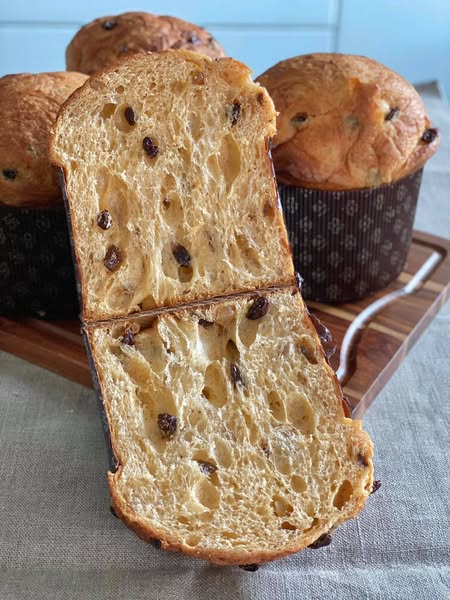
- Texture: Soft, airy, and moist with a slightly chewy crust.
- Appearance: Heightened, dome-shaped loaf with a golden-brown crust.
The Rich History of Panettone
While its roots date back to the Middle Ages, Panettone gained widespread fame in the 19th century. It’s intertwined with Italian culture, often symbolizing prosperity and celebration. Originally, it was a bread for the wealthy, but over time, it evolved into a beloved holiday tradition.
Fun Fact: The name “Panettone” might derive from “panetto” (small loaf) or “pan singulare” (special bread). Its story is filled with legends, including the tale of a nobleman’s servant who saved the baker’s daughter with a sweet bread, giving it a romantic, folk-enhanced history.
Ingredients and Materials Needed for Homemade Panettone
Creating authentic Italian Panettone demands quality ingredients and proper tools. Here’s a detailed list to prepare you before baking:
Materials Needed
| Item | Description | Quantity/Size |
|---|---|---|
| Flour | Bread flour preferred for elasticity | 500g (about 4 cups) |
| Yeast | Active dry yeast or fresh yeast | 10g or 20g fresh yeast |
| Sugar | Granulated sugar | 100g (½ cup) |
| Eggs | Large eggs for richness | 4 large eggs |
| Butter | Unsalted, softened | 150g (about ⅔ cup) |
| Milk | Whole milk, warm | 200ml (¾ cup) |
| Salt | Fine sea salt | 1 tsp |
| Dried Fruits | Candied orange peel, raisins | 200g total |
| Vanilla Extract | For flavor | 1 tsp |
| Lemon & Orange Zest | Freshly grated | 1 tbsp each |
| Additional Fillings (Optional) | Chocolate chips, almonds | Varies |
Essential Tools:
- Panettone Mold: Tall, cylindrical paper mold (about 4-6 inches diameter, 6-8 inches tall)
- Mixing Bowls
- Stand Mixer (preferred): For kneading
- Thermometer: To check dough temperature
- Cooling Rack
- Pastry Brush: For glazing
- Cling Wrap or Kitchen Towel
Step-by-Step Guide to Baking Panettone
Making Panettone can seem tricky at first, but with patience and attention to detail, you’ll be baking an authentic Italian bread that delights everyone. Here’s a streamlined process:
Step 1: Prepare the Yeast Starter (Biga)
- Mix a small amount of warm milk, a teaspoon of sugar, and yeast.
- Let it sit until bubbly (about 15 minutes). This activates the yeast and creates a flavorful base.
Step 2: Make the Dough
- Combine flour, remaining sugar, salt, lemon and orange zest in a large bowl.
- Add the yeast starter, eggs, and warm milk. Mix until combined.
- Knead the dough until it becomes elastic (about 10 minutes using a stand mixer).
Step 3: Incorporate Butter and Fruits
- Gradually add softened butter, ensuring it’s fully incorporated before adding more.
- Gently fold in dried fruits. Chilling the fruits beforehand prevents sticking.
Step 4: First Rise
- Cover the bowl with a damp cloth or plastic wrap.
- Let it rise in a warm place for 2-3 hours, or until it doubles in size.
Step 5: Shape and Second Rise
- Gently punch down the dough.
- Fill your panettone mold, leaving some space at the top.
- Cover and let rise again for 2 hours or until domed and risen.
Step 6: Baking
- Preheat your oven to 375°F (190°C).
- Optionally, brush the top with melted butter or an egg wash for a shiny crust.
- Bake for about 50-60 minutes, until golden brown.
Step 7: Cooling and Serving
- Cool the Panettone upside down (using skewers or hooks) to maintain its tall shape.
- Once cooled, slice and enjoy with coffee, mascarpone, or your favorite spread.
Tips for Success:
- Use Quality Ingredients: Fresh dried fruits and good flour make a big difference.
- Patience is Key: Multiple rises are essential for the airy texture.
- Control Temperature: Keep the dough in a warm, draft-free area.
- Proper Flour: Bread flour ensures gluten formation for structure.
- Upside-down Cooling: Prevents collapsing and maintains height.
Common Mistakes and How to Avoid Them
| Mistake | How to Avoid |
|---|---|
| Overloading with Fruits | Gently fold in fruits; too much can weigh down the dough. |
| Not Letting Dough Rise Fully | Patience is crucial; rushed rises yield dense bread. |
| Baking at Too High or Low Temperatures | Use an oven thermometer; stick close to recommended temp. |
| Not Cooling Properly | Cool upside down; this preserves shape and fluffiness. |
| Using Improper Molds | Use tall, sturdy paper molds to mimic traditional shape. |
Variations of Panettone You Might Enjoy
While traditional Panettone is loaded with candied citrus and raisins, here are some delightful twists:
- Chocolate Panettone: Add chocolate chips or chunks to the dough.
- Nutty Panettone: Incorporate chopped almonds or hazelnuts.
- Fruit-Infused: Use dried cherries, cranberries, or apricots.
- Vegan Version: Substitute eggs with apple sauce or flaxseed, and plant-based butter.
Summary and Takeaway
Making authentic Italian Panettone at home might take patience, but it’s absolutely worth the effort. From selecting high-quality ingredients to mastering the rising process, each step plays a role in yielding that signature tall, fluffy loaf filled with sweet, fragrant dried fruits. Remember, practice makes perfect—don’t be discouraged if your first batch isn’t picture-perfect. With time, you’ll craft Panettone that’s as delicious as the ones you find in Italy.
So, gather your ingredients, set aside a cozy afternoon, and get ready to impress everyone with your baking skills. Happy baking!
In the end, Panettone isn’t just bread — it’s a celebration of Italian tradition and craftsmanship, wrapped in a tall, golden crust. Enjoy every slice and share the joy with your loved ones!


