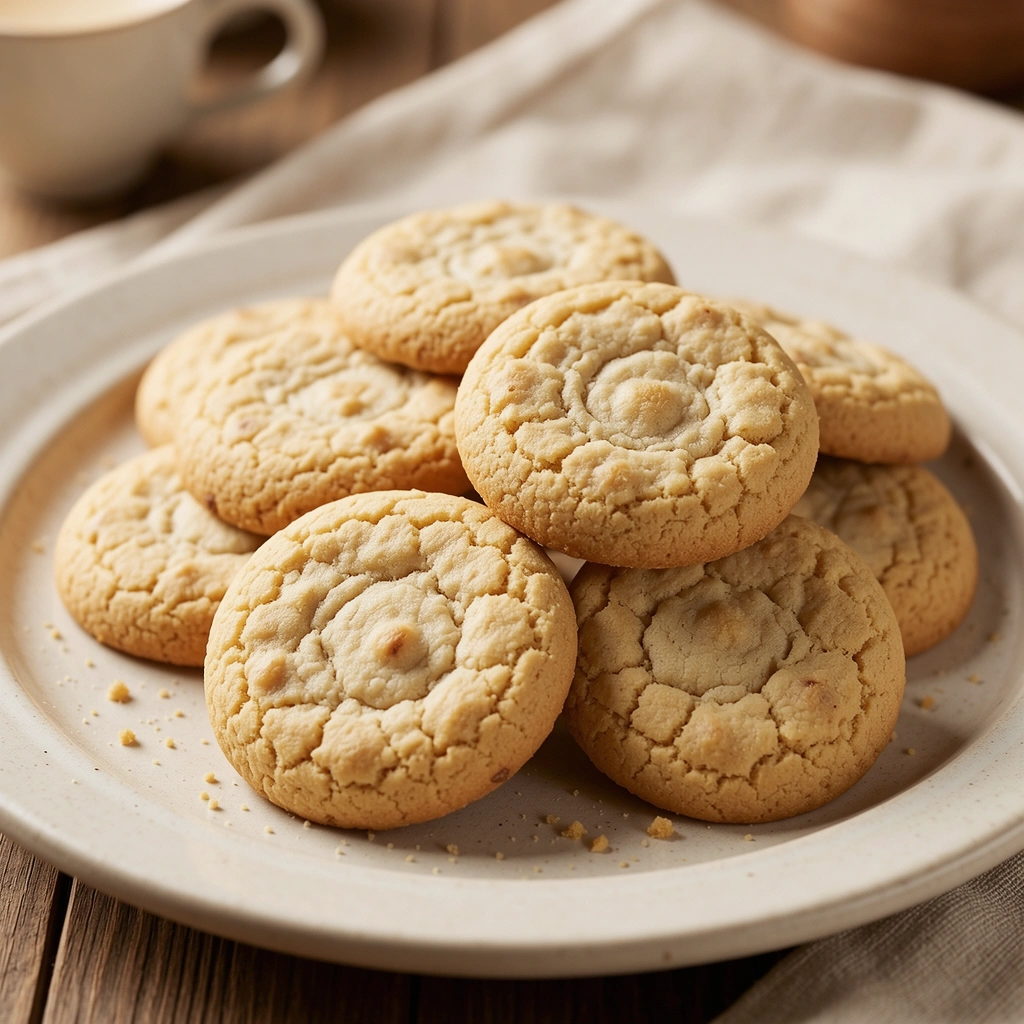
Hey friends, if you’ve ever wondered how to make authentic Irish shortbread cookies that melt in your mouth, you’re in the right place. I’m here to share everything I know—from the basics to some insider tips that can elevate your baking game. Let’s dive into this delicious tradition with confidence!
So, what exactly are Irish shortbread cookies? Irish shortbread cookies are rich, buttery, crumbly cookies made with simple ingredients like butter, sugar, and flour, often enhanced with a pinch of salt or vanilla. They are a classic treat known for their delicate texture and slightly sweet flavor, perfect for tea time or festive occasions.
Stick around because I’ll walk you through the essential ingredients, variations, baking techniques, and even some tips on storing and serving your cookies so you get the best results every time.
What Are Irish Shortbread Cookies?
Irish shortbread cookies are a traditional Scottish and Irish biscuit known for their simple ingredients and rich, crumbly texture. They have been a beloved treat for centuries, often enjoyed during holidays or special occasions. The classic recipe uses butter, sugar, and flour in a 3:2:1 ratio, giving these cookies their signature melt-in-your-mouth feel.
What makes Irish shortbread unique is the quality of the butter and the slow baking process, which allows the cookies to develop a golden color without losing their tenderness. Unlike other cookies, shortbread contains no eggs or leavening agents, relying on butter for flavor and texture. This simplicity is what makes them so versatile and timeless.
In casual conversation, Irish shortbread is the ultimate comfort cookie—easy to make, satisfying, and perfect for sharing with friends and family. You can even customize it with flavors like lemon zest, rosemary, or chocolate chips to match your mood or occasion.
Essential Ingredients for Perfect Irish Shortbread Cookies
When it comes to baking the best Irish shortbread cookies, the ingredients matter a lot. Here’s a quick look at what you need:
- Butter: Use high-quality, unsalted butter. Irish butter like Kerrygold is ideal because it has a higher fat content, which enhances flavor and texture.
- Sugar: Granulated white sugar is standard, but some recipes call for caster sugar for a finer texture.
- Flour: All-purpose flour works well, but some bakers like to use a mix of all-purpose and rice flour for extra crispness.
- Salt: Just a pinch to balance the sweetness.
- Optional Flavorings: Vanilla extract, lemon zest, or a touch of ground spices like cinnamon.
Pro tip: Always let your butter come to room temperature for easier mixing and better dough consistency.
The Science Behind Irish Shortbread’s Unique Texture
Understanding the texture of Irish shortbread cookies helps you make them perfectly every time. The crumbly texture comes from the high butter content and the absence of eggs or leavening agents.
Butter coats the flour particles, which limits gluten formation. Gluten is what gives bread its chewy texture, so limiting it keeps the cookies tender and crumbly. The sugar also helps by absorbing moisture and creating a fine crumb.
Slow baking at a low temperature allows the cookies to dry out gently without browning too much, preserving that tender bite. This balance between moisture and fat is crucial.
If you want crispier cookies, try adding a small amount of cornstarch or chilling the dough before baking to reduce spread.
Step-by-Step Irish Shortbread Cookie Recipe
Here’s my go-to recipe for making Irish shortbread cookies at home:
Ingredients:
- 1 cup (225g) unsalted Irish butter, softened
- ½ cup (100g) granulated sugar
- 2 cups (250g) all-purpose flour
- ¼ teaspoon salt
- 1 teaspoon vanilla extract (optional)
Instructions:
- Preheat your oven to 325°F (160°C) and line a baking sheet with parchment paper.
- Cream the butter and sugar together until light and fluffy using a hand mixer or stand mixer.
- Add vanilla extract if using, and mix well.
- Sift the flour and salt together, then gradually add to the butter mixture. Mix until a soft dough forms.
- Shape the dough into a flat disc, wrap in plastic wrap, and chill for 30 minutes.
- Roll out the dough on a lightly floured surface to about ½ inch thickness.
- Cut into shapes using cookie cutters or a knife.
- Place cookies on the baking sheet and prick each with a fork for a traditional look.
- Bake for 20-25 minutes until the edges are lightly golden.
- Cool completely on a wire rack before serving.
Variations to Try with Irish Shortbread Cookies
Irish shortbread cookies are wonderfully versatile. Here are some popular variations to try:
- Lemon Rosemary Shortbread: Add fresh rosemary and lemon zest to the dough for a refreshing twist.
- Chocolate-Dipped Shortbread: Dip half of each cookie in melted dark chocolate for an indulgent treat.
- Spiced Shortbread: Mix in cinnamon, nutmeg, or ginger for a warm, cozy flavor.
- Oatmeal Shortbread: Substitute part of the flour with oats for a heartier texture.
Each variation brings a different flavor profile while keeping the classic texture intact. Feel free to experiment with your favorite herbs, spices, or add-ins.
How to Store Irish Shortbread Cookies for Maximum Freshness
Proper storage is key to keeping your Irish shortbread cookies fresh and delicious. Since they are buttery and crumbly, they can absorb moisture and lose their texture if not stored correctly.
- Store cookies in an airtight container at room temperature.
- Place parchment paper between layers to prevent sticking.
- Keep them away from heat and humidity.
- For longer storage, freeze cookies in a sealed bag or container for up to 3 months. Thaw at room temperature before serving.
Avoid refrigeration as it can dry out the cookies.
Serving Suggestions and Pairings
Irish shortbread cookies are perfect for a variety of occasions:
- Serve with a hot cup of tea or coffee for a classic Irish teatime treat.
- Pair with fresh berries and whipped cream for a light dessert.
- Use as a base for cheesecake crusts or dessert bars.
- Gift in festive tins during holidays with ribbons and tags.
Their buttery sweetness complements both sweet and savory accompaniments, making them a versatile choice for any gathering.
Troubleshooting Common Issues with Irish Shortbread Cookies
Even experienced bakers face challenges with shortbread cookies. Here are some common problems and how to fix them:
- Too crumbly or falling apart: Make sure your butter is not too cold or too warm. Chill the dough properly before cutting.
- Spreading too much: Chill the dough to reduce spread and avoid over-baking.
- Dry or hard cookies: Don’t over-bake. Remove cookies as soon as edges turn golden.
- Lack of flavor: Use high-quality butter and consider adding a pinch of salt or vanilla for depth.
If you keep these tips in mind, your Irish shortbread cookies will come out perfect every time.
Why Irish Butter Makes a Difference in Shortbread Cookies
One key to authentic Irish shortbread cookies is using Irish butter. Compared to regular butter, Irish butter usually has a higher butterfat content (around 82-84%), resulting in richer flavor and creamier texture.
The subtle grassy notes from Irish butter can elevate your cookies, making them taste more luxurious and traditional. Brands like Kerrygold are widely available and highly recommended for shortbread baking.
If you can’t find Irish butter, opt for a European-style butter with high butterfat content.
The History and Cultural Significance of Irish Shortbread Cookies
Irish shortbread cookies have a rich history dating back to the Middle Ages when they were considered a luxury treat due to the use of butter and sugar. Traditionally served during Christmas and weddings, shortbread symbolizes hospitality and celebration in Irish culture.
The simplicity of the recipe reflects the resourcefulness of Irish cooks, turning just a few ingredients into something special. Today, shortbread remains a beloved cookie worldwide, often associated with warmth, comfort, and tradition.
Understanding this heritage adds meaning to every bite you take.
Health Benefits and Considerations of Irish Shortbread Cookies
While Irish shortbread cookies are undeniably delicious, they are also rich in butter and sugar, so moderation is key.
Health benefits:
- Butter provides fat-soluble vitamins like A, D, E, and K.
- Uses simple, natural ingredients without preservatives.
Considerations:
- High in saturated fat and calories, so best enjoyed as an occasional treat.
- Can be modified with whole wheat flour or natural sweeteners for a healthier twist.
Enjoying these cookies mindfully ensures you get the pleasure without compromising your health goals.
Quick Tips for Baking Irish Shortbread Cookies Like a Pro
Here are some quick tips to help you bake Irish shortbread cookies that impress:
- Use room temperature butter for easier creaming.
- Don’t over-mix the dough to avoid tough cookies.
- Chill dough before rolling to reduce spreading.
- Use parchment paper to prevent sticking and ensure even baking.
- Prick cookies with a fork for an authentic look and even heat distribution.
- Bake low and slow for tender texture.
These little tricks make a big difference in your final batch.
Pairing Irish Shortbread with Beverages for an Elevated Experience
Irish shortbread cookies pair wonderfully with various beverages:
- Traditional Irish Tea: Strong black tea balances the buttery sweetness.
- Coffee: A rich espresso or latte complements the crumbly texture.
- Irish Coffee: For an adult twist, the warmth and spices enhance the shortbread flavor.
- Hot Chocolate: A cozy pairing, especially during colder months.
Choosing the right drink elevates your cookie experience to another level.
How to Make Irish Shortbread Cookies Gluten-Free
If you or your loved ones need gluten-free options, Irish shortbread cookies can be adapted easily.
Ingredients to swap:
- Replace all-purpose flour with a gluten-free flour blend (ensure it contains xanthan gum or add it separately).
- Use almond flour or rice flour as a partial substitute to maintain texture.
Tips:
- Gluten-free dough can be more delicate, so handle gently.
- Chill dough well before rolling.
- Expect a slightly different texture but still delicious.
This way, everyone can enjoy this classic treat.
How to Incorporate Irish Shortbread Cookies into Festive Celebrations
Irish shortbread cookies are a perfect festive treat. Here’s how to incorporate them into your celebrations:
- Decorate with colored sugar or icing for holiday themes.
- Package in gift tins or bags as thoughtful homemade gifts.
- Use cookie cutters to make themed shapes (hearts for Valentine’s, shamrocks for St. Patrick’s Day).
- Serve alongside other Irish desserts for a full cultural experience.
Their simple elegance fits any occasion beautifully.
Conclusion: Why Irish Shortbread Cookies Are a Must-Try Classic
Irish shortbread cookies are a timeless, delicious treat that anyone can make at home with a few simple ingredients. Their rich, buttery flavor and crumbly texture make them perfect for tea time, gifting, or festive celebrations. With the tips and variations shared here, you can bake perfect shortbread cookies that suit your taste and occasion.
So go ahead, grab your butter and flour, and enjoy the process of making and sharing these classic Irish delights. Trust me, once you’ve made your own Irish shortbread cookies, you’ll wonder how you ever lived without them!