
Hey there, cake lovers! If you’re on the hunt for a dessert that combines creaminess, deliciousness, and a touch of European elegance, then German cheesecake might just be your new favorite. Unlike its American counterpart, which often features a crumbly or graham cracker crust, German cheesecake, or Käsekuchen, is known for its rich, airy texture and distinctive flavor profile. Today, I’ll walk you through everything you need to know—ingredients, techniques, tips, and even some variations—to make this delightful treat your own.
So, let’s dive deep into the world of German Cheesecake and make your baking experience both fun and successful!
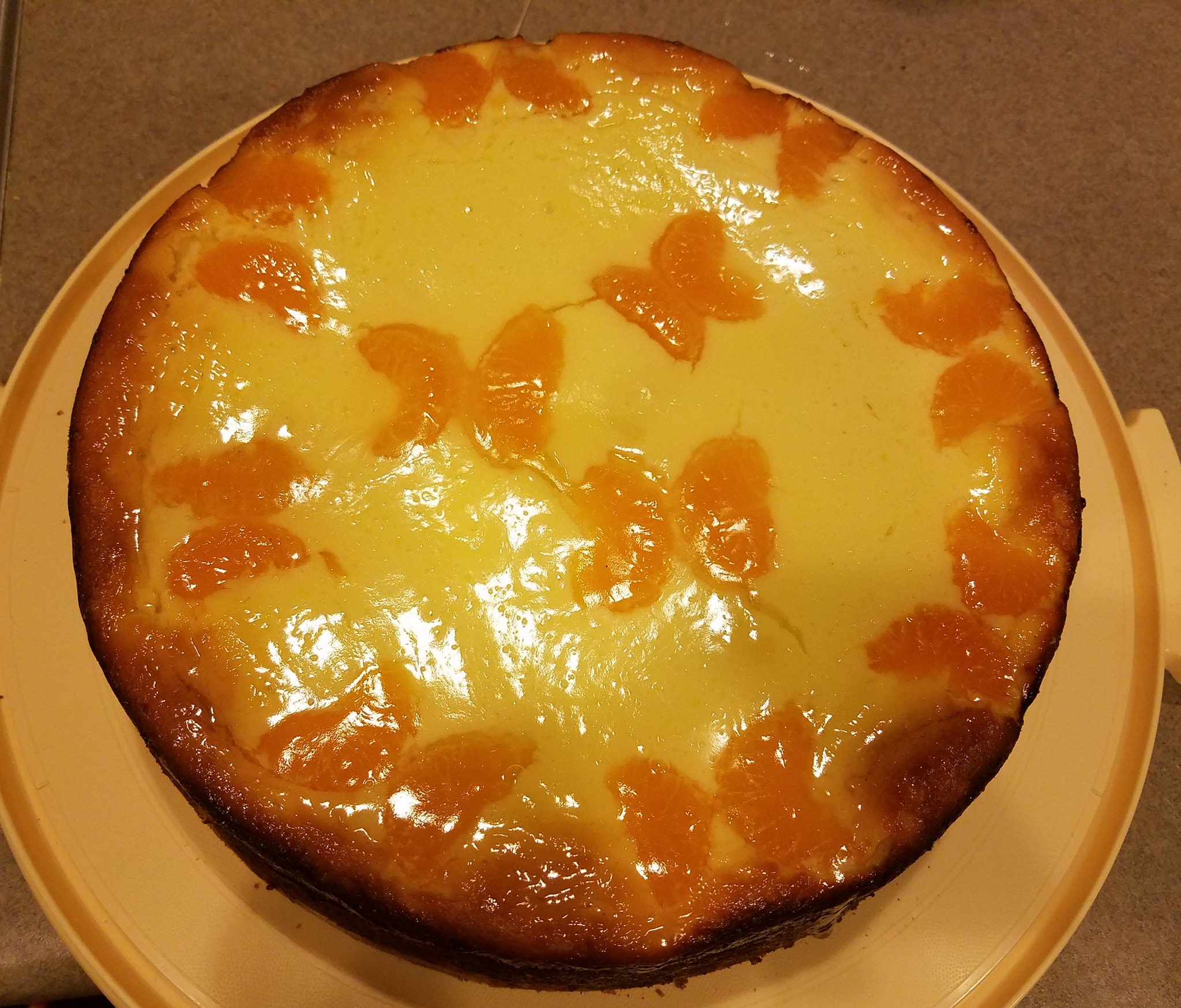 What Is German Cheesecake?
German cheesecake, or Käsekuchen, is a classic European dessert hailing primarily from Germany. It is characterized by its smooth, fluffy, and tangy filling, often made from quark—a unique dairy product similar to cream cheese but lighter and tangier. Unlike traditional American cheesecakes that rely heavily on cream cheese and a graham cracker crust, Käsekuchen offers a different texture and flavor experience, often with a crisp crust and a tender filling.
Key Features of German Cheesecake:
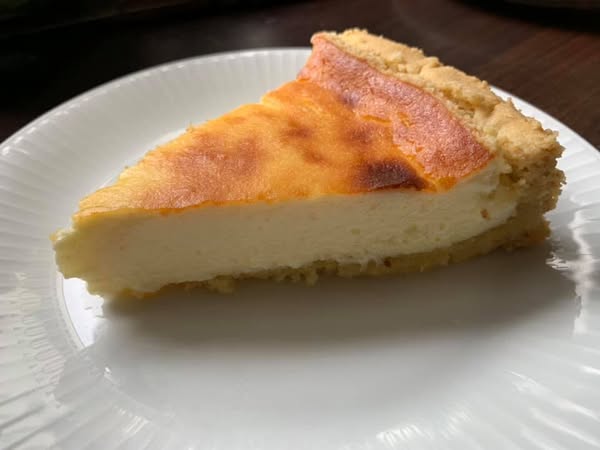
- Light and fluffy texture, more souffle-like than dense
- Use of quark or cottage cheese for authentic flavor
- Typically baked in a fruit-topped version, often with berries or apples
- Crust can vary from shortcrust pastry to a crumble topping, depending on regional preference
Materials Needed for German Cheesecake
| Ingredient | Quantity | Notes |
|---|---|---|
| Quark (or cottage cheese) | 200 grams (7 oz) | Fresh, full-fat for best flavor |
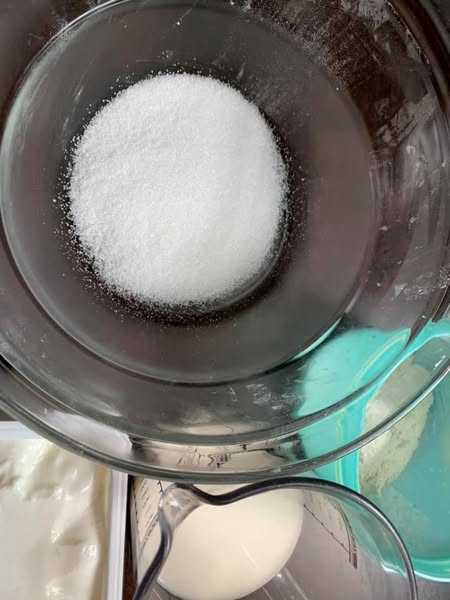
| Granulated sugar | 150 grams (3/4 cup) | Adjust sweetness to taste |
| Eggs | 3 large | Separated for fluffy batter |
| Butter | 100 grams (7 tbsp), melted | For crust or topping |
| Flour | 200 grams (1 2/3 cups) | For crust or batter; use all-purpose flour |
| Baking powder | 1 teaspoon | For crust to help it rise |
| Lemon zest or vanilla extract | 1 teaspoon + 1 teaspoon | Adds flavor |
| Fresh fruit or berries | As desired (for topping) | Strawberries, blueberries, apples, etc. |
| Crust options | Shortcrust pastry or crumble topping | Optional, depending on recipe |
Note: If you cannot find quark, substitutes like farmer’s cheese, cottage cheese, or ricotta can work, but the texture and flavor may slightly differ.
Step-by-Step Guide to Making German Cheesecake
1. Prepare the Crust
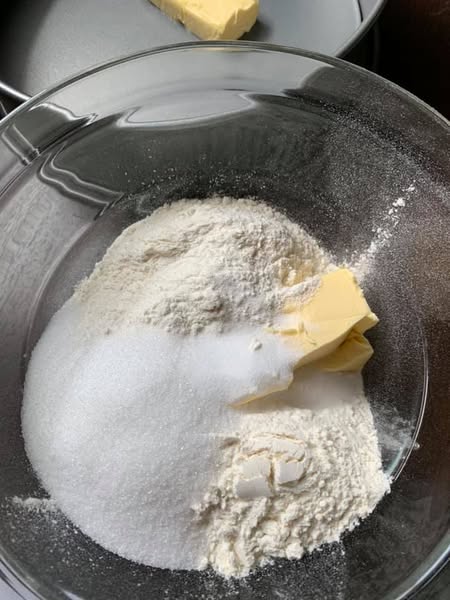
- Mix flour, baking powder, a pinch of salt, and sugar.
- Add melted butter and mix until crumbly.
- Press the mixture into the bottom of a greased springform pan.
- Bake at 180°C (356°F) for about 10 minutes to set.
2. Make the Filling
- Separate the eggs.
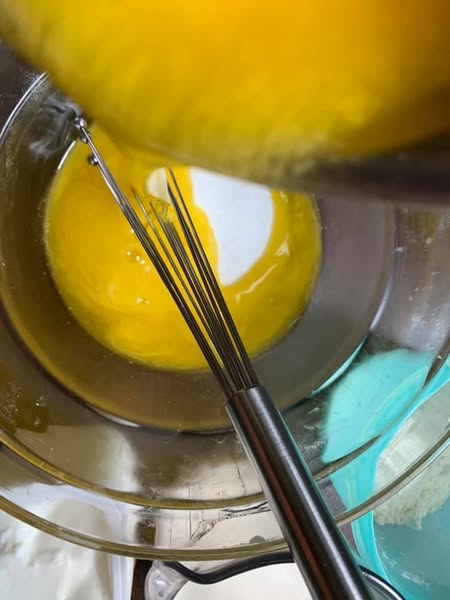
- Beat the egg yolks with sugar until creamy.
- Mix in quark, lemon zest, and vanilla extract until smooth.
- In a separate bowl, whip the egg whites until stiff peaks form.
- Gently fold the egg whites into the quark mixture for a light texture.
3. Assemble and Bake
- Pour the filling over the pre-baked crust.
- Arrange fresh fruit or berries on top or mix into the filling if preferred.
- Bake at 180°C (356°F) for 45–50 minutes, or until the center is just set.
- Let it cool before removing from the pan.
4. Add Finishing Touches
- Optional: dust with powdered sugar or serve with a fruit compote.
Tips for Success
- Use fresh, high-quality dairy products—quark makes a noticeable difference in texture and flavor.
- Don’t overmix the batter; gentle folding keeps the cheesecake light and airy.
- Bake gradually—avoid opening the oven door too early to prevent cracks.
- Chill thoroughly before serving; this helps set the texture and enhances flavor.
- Custom toppings: Fresh berries, apple slices, or even a drizzle of berry sauce can elevate your cheesecake.
- Experiment with crust options: From traditional shortcrust to a crunchy crumble topping for different texture twists.
Common Mistakes and How to Avoid Them
| Mistake | Solution |
|---|---|
| Overmixing batter | Mix just until ingredients are combined to keep it fluffy |
| Baking at too high temperature | Stick to recommended 180°C (356°F); higher heat causes cracks |
| Not using quality dairy | Use fresh quark or suitable substitutes for authentic flavor |
| Removing from oven too early | Wait until the center is just set; slight jiggle is good |
| Using dry or old fruit | Use ripe, fresh fruit for better flavor and appearance |
Variations of German Cheesecake
1. Fruit-Loaded Käsekuchen
Add slices of apples, peaches, or mixed berries into the filling before baking for a fruity surprise.
2. Chocolate-Enhanced Version
Incorporate melted dark chocolate or cocoa powder into the batter for a velvety, chocolatey twist.
3. Vegan or Dairy-Free
Use plant-based cheeses and milks, such as cashew or coconut-based alternatives, to make a vegan-friendly cheesecake.
4. Gluten-Free Crust
Replace wheat flour with almond flour or gluten-free oat flour for a gluten-free crust option.
5. Mini Cheesecakes
Bake in muffin tins for individual-sized treats—perfect for parties or gifts.
Summary & Final Thoughts
German cheesecake, or Käsekuchen, is a charming dessert that brings a unique, fluffy texture combined with tangy dairy flavors. By understanding the ingredients—especially the key role of quark—and following the step-by-step process, you can craft a delectable cheesecake that impresses family and friends alike. Remember, quality ingredients and gentle handling are your best friends here.
So, why not give this recipe a shot? Play with different toppings and crusts to tailor it to your taste, and enjoy a slice of this European classic! German cheesecake is not just a dessert; it’s a celebration of simple ingredients elevated through careful craftsmanship. Happy baking!
Now, go ahead—grab your ingredients, and let’s make some delicious German Käsekuchen that everyone will love!