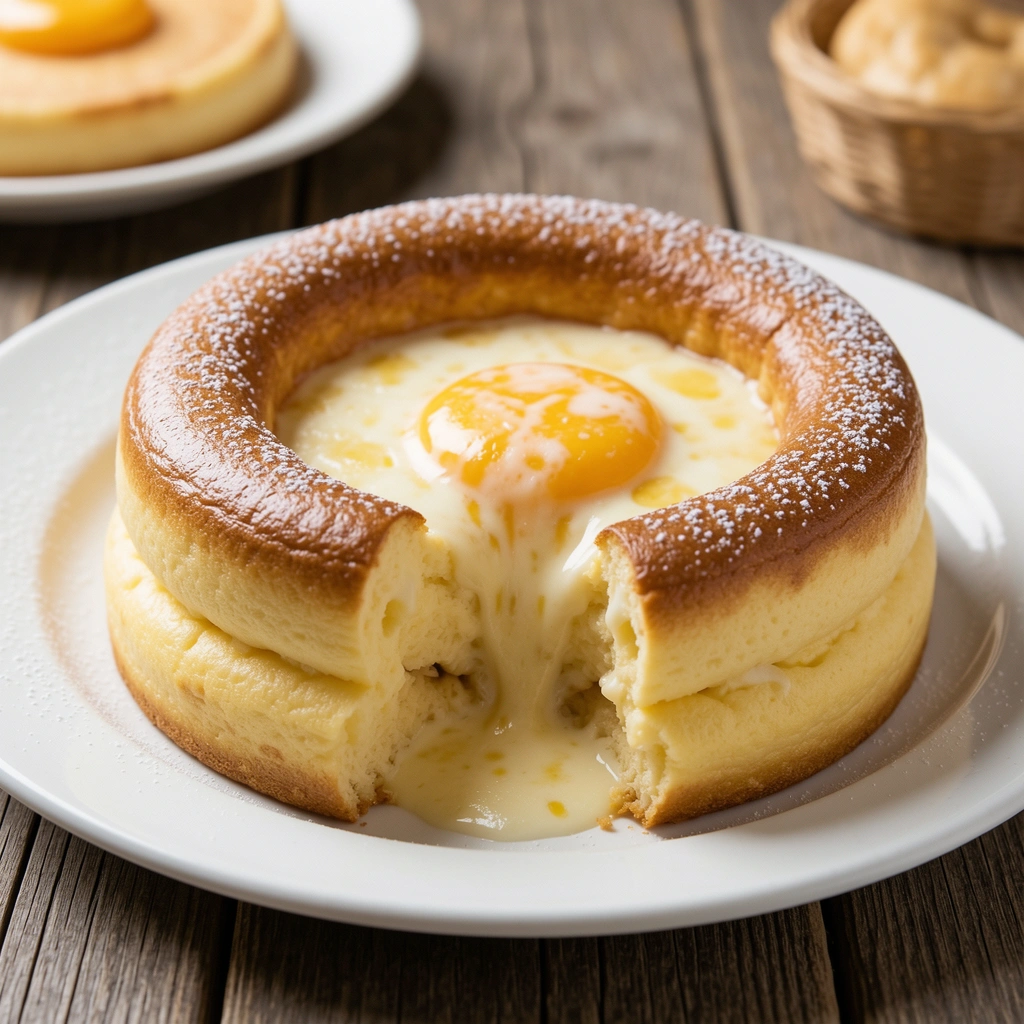
Hey there! If you’ve ever been curious about making a Dutch Baby pancake that’s both impressive and delicious, you’re in the right place. I’ve spent countless mornings perfecting this recipe, and I’m excited to share everything you need to know to nail it every time. From the basics to creative twists, I’ll walk you through it all.
So, what exactly is a Dutch Baby pancake? A Dutch Baby pancake is a large, puffy pancake baked in the oven, known for its dramatic rise and crispy edges. Made with simple ingredients like eggs, flour, and milk, it’s a versatile dish that can be sweet or savory. It’s perfect for breakfast, brunch, or even a light dinner and delivers a delightful texture that’s part pancake, part popover.
Keep reading, and I’ll share tips on how to make the fluffiest Dutch Baby, ideas to customize it, and how to serve it like a pro. Whether you’re making it for the family or impressing guests, this guide has got you covered.
What Is a Dutch Baby Pancake?
A Dutch Baby pancake, sometimes called a German pancake or a Bismarck, is a baked pancake that rises dramatically in the oven due to steam created by its batter. Unlike traditional pancakes cooked on a griddle, the Dutch Baby is made in a hot cast-iron skillet or ovenproof pan and baked until it puffs up beautifully. This technique creates crispy edges and a tender, custard-like center.
The name “Dutch Baby” is a bit misleading—it has German origins but became popular in the United States. It’s an easy recipe with simple pantry ingredients but feels luxurious when served. The pancake typically comes out with a slightly nutty flavor from browned butter and a light, airy texture that melts in your mouth.
You can serve it sweet with powdered sugar, fresh fruit, or syrup, or go savory with herbs, cheese, and veggies. The versatility makes the Dutch Baby a favorite for various palates and occasions.
Why You Should Try Making a Dutch Baby Pancake at Home
Making a Dutch Baby pancake at home is surprisingly easy and rewarding. The recipe requires minimal ingredients and preparation time, but the result looks and tastes like something special. Plus, baking it in the oven means less fuss flipping pancakes on the stove and more even cooking.
The pancake’s dramatic rise and golden edges make it a showstopper for family breakfasts or brunch parties. It’s also a great base for healthy add-ins like fresh fruits, nuts, or even protein toppings, which means you can tailor it to your nutritional needs.
If you’ve felt overwhelmed by complicated pancake recipes or unsure about your flipping skills, the Dutch Baby is a fantastic alternative that delivers on taste and presentation. Ready to dive into the recipe and tips? Let’s get started.
Essential Ingredients for the Perfect Dutch Baby Pancake
To make a flawless Dutch Baby, you want to focus on quality and balance. Here’s what you’ll need:
- Eggs: The backbone of the pancake’s structure and rise. Use large eggs at room temperature.
- Milk: Adds moisture and tenderness. Whole milk works best for richness, but you can use alternatives.
- All-purpose flour: The base of the batter. Sift it to avoid lumps.
- Butter: For the skillet to create a crispy, flavorful crust.
- Sugar: Just a little to balance the flavor.
- Vanilla extract (optional): Adds a hint of sweetness and aroma.
- Salt: Enhances all the flavors.
Pro Tip:
Using room temperature eggs and milk helps the batter blend smoothly, ensuring an even rise in the oven.
How to Make a Dutch Baby Pancake: Step-by-Step Instructions
- Preheat your oven to 425°F (220°C). Place a cast-iron skillet or ovenproof pan inside to heat up.
- Prepare the batter: In a blender or mixing bowl, combine eggs, milk, flour, sugar, vanilla (if using), and salt. Blend or whisk until smooth and frothy.
- Melt butter in the hot skillet: Once the oven is preheated, carefully remove the skillet and add butter, swirling to coat the bottom and sides.
- Pour the batter into the skillet: Immediately return the skillet to the oven.
- Bake for 20-25 minutes: The pancake will puff up dramatically and turn golden brown.
- Serve immediately: Dust with powdered sugar, add fresh fruit, syrup, or savory toppings as you like.
Important:
Don’t open the oven door during baking, or the pancake may deflate.
Tips for Achieving the Perfect Rise and Texture
- Use a hot skillet: Preheating the pan ensures the butter sizzles and the pancake edges crisp perfectly.
- Don’t overmix the batter: Blend just enough to combine ingredients, avoiding excess gluten development that toughens the pancake.
- Serve right away: The pancake deflates quickly once out of the oven, so timing is key.
- Try different pans: While cast iron is ideal, ovenproof stainless steel or ceramic pans can work too, but the rise might be slightly less dramatic.
Sweet Dutch Baby Pancake Variations
Classic Lemon and Sugar Dutch Baby
This simple topping lets the pancake’s buttery flavor shine. Just sprinkle powdered sugar and a squeeze of fresh lemon juice on top. The lemon adds brightness, cutting through the richness.
Berry Delight Dutch Baby
Add a mix of fresh berries like strawberries, blueberries, and raspberries on top. Berries provide antioxidants and a fresh, juicy contrast to the warm pancake.
Cinnamon Apple Dutch Baby
Sauté sliced apples with cinnamon and a touch of brown sugar, then pile them on your Dutch Baby. This variation adds warmth and a cozy fall flavor.
Health Benefits:
- Berries and apples add fiber and vitamins.
- Using minimal sugar keeps the dish lighter.
Savory Dutch Baby Pancake Variations
Herb and Cheese Dutch Baby
Toss fresh herbs like chives, parsley, or thyme into the batter, and sprinkle grated cheese (cheddar, Gruyère, or Parmesan) on top before baking. The herbs add freshness while the cheese creates a savory crust.
Mushroom and Spinach Dutch Baby
Sauté mushrooms and spinach with garlic, then add them as a topping or mix into the batter. This version provides extra nutrients and a satisfying umami flavor.
Smoked Salmon and Dill Dutch Baby
Top the baked pancake with smoked salmon, a dollop of sour cream or crème fraîche, and fresh dill. It’s elegant and packed with protein and healthy fats.
Practical Tip:
For savory versions, reduce or omit sugar from the batter to maintain balance.
How to Store and Reheat Dutch Baby Pancakes
Dutch Baby pancakes are best eaten fresh, but leftovers can be stored in the fridge for up to 2 days.
- Storage: Wrap tightly with plastic wrap or place in an airtight container.
- Reheating: Warm in a 350°F (175°C) oven for 5-7 minutes to restore crispness. Avoid microwaving to prevent sogginess.
Frequently Asked Questions About Dutch Baby Pancakes
-
Can I make Dutch Baby pancakes gluten-free?
Yes! Substitute all-purpose flour with a gluten-free blend. Expect a slightly different texture but still delicious results. -
Can I prepare the batter ahead of time?
Batter is best used immediately. If stored, it may lose some rise power. If you must prep early, keep it covered in the fridge and bring to room temperature before baking. -
What if my pancake doesn’t puff up?
Ensure your oven and skillet are properly preheated. Also, check that your eggs are fresh and at room temperature. -
Can I add sugar directly to the batter?
Yes, but keep it minimal to avoid sogginess. Most sweetness is best added as a topping.
The Dutch Baby Pancake’s Place in Culinary Traditions
The Dutch Baby pancake traces its roots to German pancakes and popovers but gained fame in the US, especially in the Pacific Northwest. Many restaurants feature it as a brunch staple because it’s simple yet impressive. It bridges the gap between a homely breakfast and a fancy dish, making it beloved worldwide.
Conclusion
Making a Dutch Baby pancake is a delightful way to elevate your breakfast or brunch routine. This dish’s unique rise and crispy edges are easy to achieve with the right technique and ingredients. Whether you favor sweet toppings like berries and cinnamon apples or savory versions with herbs and smoked salmon, the Dutch Baby offers versatility that suits all tastes and occasions.
I hope this guide helps you feel confident and inspired to try making your own Dutch Baby pancake at home. Remember, the key is a hot pan, fresh ingredients, and timely serving. Give it a go—you won’t be disappointed!
Thanks for reading my comprehensive Dutch Baby pancake guide! If you loved these tips and recipes, try experimenting with your own flavors and share your results. Happy cooking!